Producing a web series in 2026 means you’re juggling 4K cameras, AI-assisted editing, and a release calendar tighter than most feature films—yet budgets start as low as ₹3L per episode and timelines can be halved compared to traditional TV.
TL;DR
- Modern web series production is 2–3× faster and 30% cheaper with AI pipelines.
- Script, casting, and episodic planning are now streamlined with specialised tools.
- Continuity, multi-language delivery, and broadcast standards are no longer technical bottlenecks.
- Budget for ₹3–10L per episode for professional, platform-ready output.
- Start with a single pilot episode to de-risk your launch.
Why Web Series? Audience, Platforms, and the 2026 Landscape
OTT platforms like Netflix, Prime Video, and JioCinema are commissioning hundreds of original web series every year. According to Statista, India’s OTT video market alone will hit $7B by 2027, with episodic content accounting for over 60% of new titles. Shorter attention spans and binge culture mean audiences expect tight, engaging story arcs and consistent episode drops. For creators, this means the old “pilot + hope for greenlight” model is dead—today, even a 3-episode mini-series can find an audience if executed professionally.
Platforms now demand 4K delivery, multi-language tracks, and strict continuity across episodes. This is where AI-driven production makes the difference, not only in cost but in keeping up with platform specs and viewer expectations. The web series format is no longer “YouTube on a shoestring”—it’s network-grade, but accessible.
Step 1: Concept, Structure, and Scripting—Get Your Foundation Right
Every strong web series starts with a compelling hook and a structure optimised for episodic viewing. You need a series bible—core concept, episode synopses, character arcs, and style references. AI writing assistants (like Gemini or GPT-4) can now help you break stories, generate dialogue drafts, and even check for plot holes or repetitive beats.
Don’t treat scriptwriting as a one-off: episode-by-episode outlines let you adjust for audience feedback after release. Use collaborative screenwriting tools (WriterDuet, Arc Studio Pro) to keep the process cloud-based and iterative. For more on modern scripting, see Beginner’s Guide to Modern Movie Production Techniques.
Step 2: Casting and Pre-Production—Building Your Episodic Engine
Web series casting is less about star power, more about chemistry and continuity. You’ll need to lock actors for multi-episode arcs, not just one shoot. Digital casting platforms (like Backstage) streamline auditions—even AI-based face-matching is now used to check for visual continuity across seasons.
Key pre-production steps:
- Breakdown scripts for locations, costumes, and props episode-wise.
- Use AI tools for shot-list generation and scheduling (e.g., Celtx AI-powered scheduling).
- Secure locations and permits for entire season blocks—platforms demand continuity.
- Plan for 4K (or higher) capture and sound quality to meet OTT specs.
Remember: a single missed location or unavailable actor can derail your entire season’s flow. AI-driven scheduling tools now flag these risks early, reducing delays and reshoots by up to 40% (Hollywood Reporter).
Step 3: Shooting for Episodic Consistency—What the Pros Actually Do
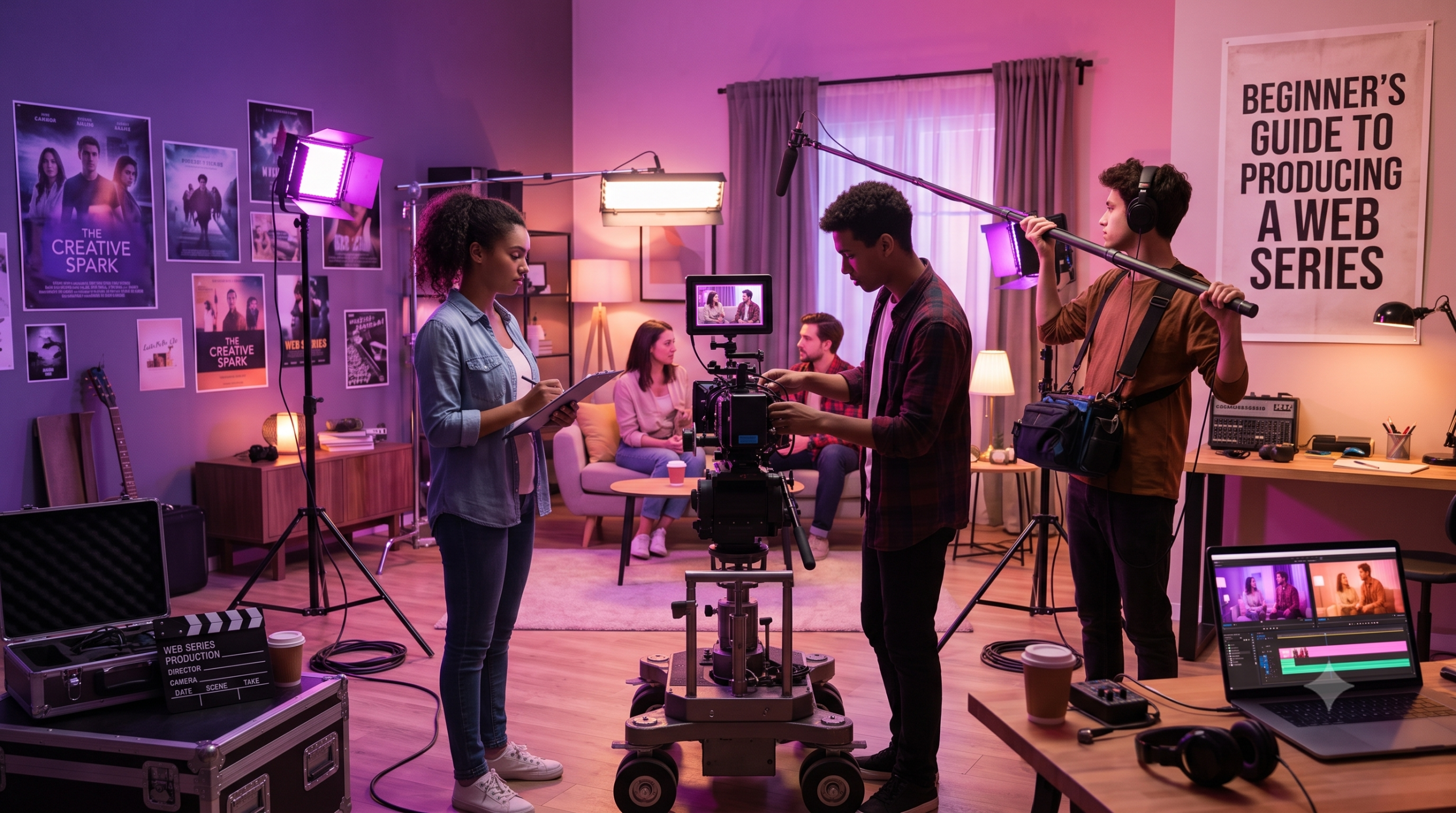
Unlike single films, web series shoots are block-scheduled: you might film all scenes in one location for multiple episodes at once. This keeps costs down and continuity tight. Multi-cam rigs and AI-assisted logging (like Runway’s video search, or Adobe’s Sensei tagging) help you track performances, wardrobe, and props in real time.
Professional sets now use digital slates and cloud-based dailies—no more lost footage or confusion over “which take goes where.” On-set AI assistants can even flag continuity errors live, preventing costly reshoots. For a deep-dive on AI-driven consistency, see AI-Driven TV Series: Ensuring Consistency Across Seasons.
Step 4: Post-Production—AI Pipelines and Broadcast-Ready Output
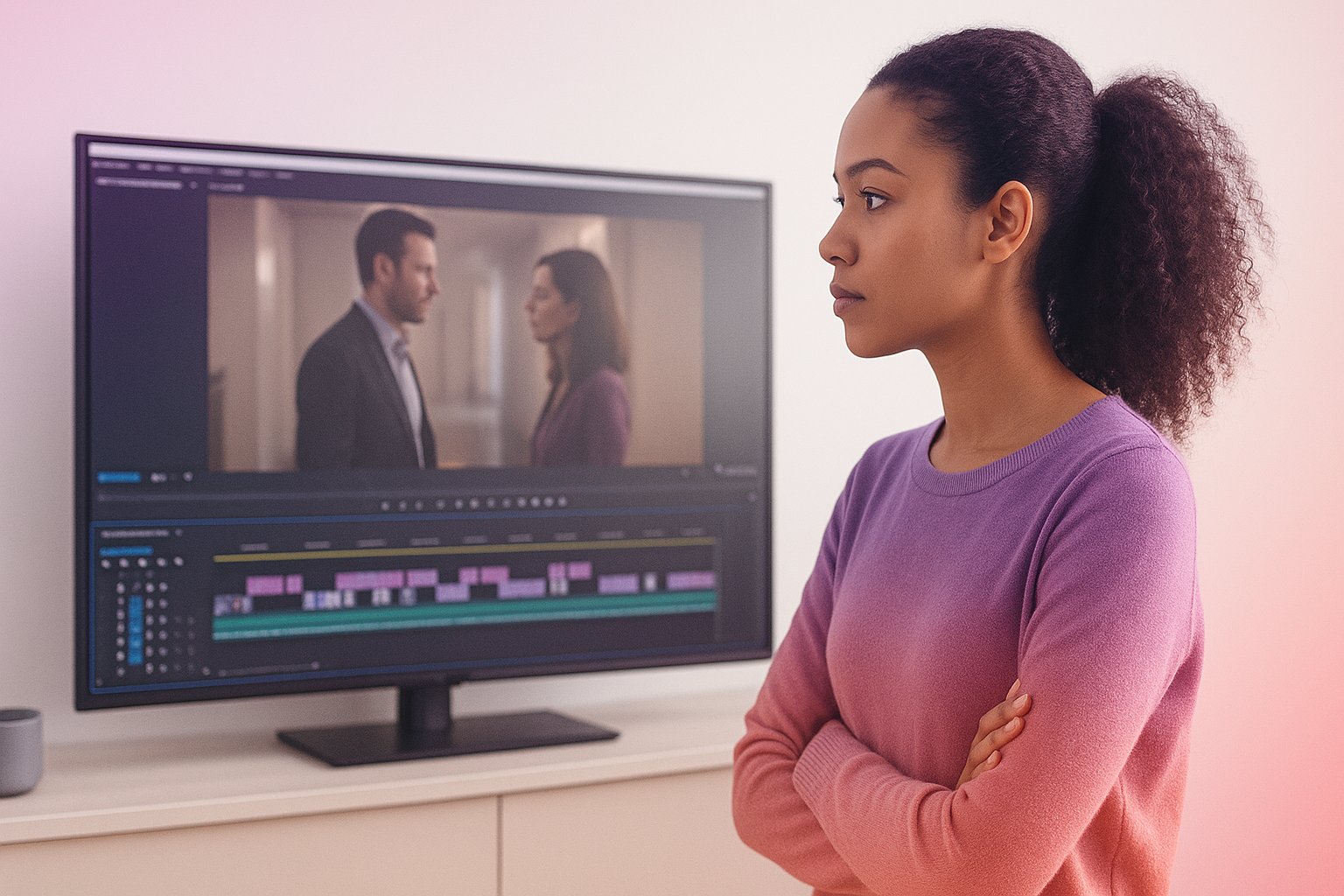
This is where the real time savings happen. Traditional post could take 6–8 weeks per episode; modern AI pipelines (automated multi-cam editing, dialogue clean-up, VFX pre-compositing) cut this to 2–3 weeks. Tools like Runway, Adobe Sensei, and ElevenLabs for AI dubbing let you:
- Auto-sync multi-cam footage and select best takes (saving dozens of hours per episode).
- Apply consistent colour grading and sound mixing across the season.
- Replace missed dialogue or add languages at 1/10th the traditional dubbing cost.
- Export in platform-ready formats (ProRes, IMF, etc.) as required by Netflix, Amazon, or Disney+.
Industry estimates suggest AI-assisted post-production can save 35–50% of typical editing budgets and deliver “network ready” episodes twice as fast (McKinsey).
Step 5: Release Strategy—Platform Specs, Multi-Language, and Metadata
Distribution is not an afterthought. OTT platforms have strict tech specs—fail to deliver in the right format or with the correct metadata, and your series won’t go live. Every episode needs:
- Closed captions and subtitles (auto-generated, then human-checked).
- Multi-language audio tracks (use AI dubbing for regional and global reach).
- Metadata for search/discovery—episode summaries, cast, tags, and artwork.
- QC reports (automated tools flag technical issues before submission).
Platforms like Netflix and Amazon are automating much of this QC process (TechCrunch), so compatibility is non-negotiable. Plan for a rolling release calendar—weekly episode drops keep engagement high and allow you to adapt future episodes based on audience feedback.
Ready to produce your series with network-grade speed?
Vidxen’s AI-powered episodic pipelines handle scripting, editing, VFX, and delivery—at up to 60% faster turnaround and 35% lower cost. Get your series ready for Netflix, Amazon, or your own channel, with full creative control.
Budgeting and Timeline: What to Expect for Modern Web Series
Gone are the days of “just shoot and hope.” Professional web series budgets start at ₹3–10 lakh per episode (including scripting, shoot, editing, and delivery). AI-assisted workflows can reduce post-production costs by 35% and cut timelines to as little as 2–3 weeks per episode. Here’s how a typical 6-episode season shakes out:
| Stage | Legacy Timeline | AI-Driven Timeline | Typical Cost (INR) |
|---|---|---|---|
| Script & Pre-pro | 4–6 weeks | 2–3 weeks | ₹4–8L |
| Shoot (6 eps) | 6–8 weeks | 4–5 weeks | ₹20–40L |
| Post-production | 8–12 weeks | 3–5 weeks | ₹12–20L |
| Delivery/QC | 2 weeks | 1 week | ₹2–4L |
These are not “bare minimum” budgets—this is what it takes for a professional, platform-accepted show with multi-language support and VFX. For smaller indie pilots, costs can be lower, but so is the chance of platform pickup. For more on cost breakdowns, see How Much Does AI Movie Production Cost?.
Common Pitfalls (and How AI Pipelines Solve Them)
Most first-time web series fail on three fronts: inconsistent continuity, blown budgets, and missed deadlines. Traditional workflows require armies of script supervisors and endless manual checks. AI pipelines now automate:
- Character and environment continuity (face/wardrobe detection, location matching).
- Footage logging and asset tracking, so nothing gets lost across episodes.
- Multi-language dubbing and subtitle generation, ready for international distribution.
- Platform compliance checks—so you pass Netflix/Amazon QC the first time.
This is not “AI replaces your director.” It’s AI handling grunt work, freeing your team to focus on story and performance. For a practical comparison of AI and traditional pipelines, see AI Movie Production vs. Traditional Studios: Cost & Quality.
Case Study: 3-Episode Mini-Series for Streaming in 2025
A recent Vidxen project: a 3-episode drama commissioned by an Indian OTT platform. Total timeline: 9 weeks, from script to delivery. Budget: ₹18 lakh (all-in, including post, VFX, and three language tracks). The AI pipeline flagged 7 continuity errors mid-shoot (saving 2 days of reshoots), auto-generated subtitles in 5 languages, and delivered ProRes masters in platform-ready format. The series trended in its category within a week of release.
For more examples of how AI pipelines deliver real results, see 5 Inspiring Social Media Video Case Studies for Growth.
Getting Started: Pilot, Test, and Scale
Don’t plan a 12-episode epic out of the gate. Start with a 1-episode pilot or a 3-episode mini-series. Pilot episodes let you test workflow, cast, and audience before committing big budgets. Most platforms are happy to commission full seasons once quality and engagement are proven. AI-assisted workflows mean you can scale up quickly—doubling episode count or adding languages with minimal extra overhead.
For a full breakdown of the AI video production process, see our AI Video Production: The Complete Guide.
To explore custom episodic workflows for your series, see TV Serials & Series.
FAQ — How to Produce a Web Series
How much does it cost to produce a professional web series?
For a platform-ready web series, expect budgets from ₹3–10 lakh per episode, including scripting, shooting, and post-production. AI-assisted pipelines can reduce editing and dubbing costs by 35% on average, especially for multi-language and VFX-heavy content. Smaller indie pilots can be done for less, but may not meet major platform standards.
How long does it take to produce a 6-episode season?
Modern AI-driven workflows deliver a 6-episode season in as little as 10–14 weeks, compared to 20+ weeks for legacy production. This includes scripting, casting, shooting, post, and delivery. Rolling release models allow you to launch episodes while finishing later ones, further reducing time to audience.
Do I need to use AI tools, or can I stick to traditional methods?
You can produce a web series with traditional workflows, but you’ll pay more and move slower. AI tools automate continuity, editing, and language delivery—critical for meeting tight deadlines and OTT specs. The best results come from blending human creative direction with AI-powered grunt work.
What are the biggest mistakes first-time producers make?
The most common pitfalls: underestimating continuity work, missing platform specs, and failing to plan for multi-language or metadata requirements. Many also overcommit to episode count without audience testing. Starting with a pilot or mini-series and using AI-driven asset tracking avoids most of these issues.
How do I ensure my web series is accepted by major OTT platforms?
Follow their technical delivery specs (format, resolution, audio, subtitles), use QC tools to flag issues, and ensure all legal clearances are documented. Platforms like Netflix and Amazon have detailed requirements—AI-driven pipelines help automate compliance and reduce rejection risk.
Can I produce in multiple languages from the start?
Absolutely. AI-powered dubbing (e.g., ElevenLabs, Google’s Universal Translator) enables multi-language delivery at a fraction of legacy studio dubbing costs. Plan for multi-language tracks in your workflow, and always have native speakers review for quality before release.
Should I release all episodes at once or go for weekly drops?
Weekly drops drive more sustained engagement and let you adapt later episodes based on audience feedback. All-at-once releases work for binge-friendly genres, but require all episodes to be finished and QC’d upfront. Most platforms now recommend a rolling release for new creators.
Where can I get end-to-end help with my web series?
Specialist episodic production partners (like Vidxen’s TV Serials & Series) provide AI-integrated scripting, editing, VFX, and delivery for web series and OTT serials. These services are tailored for speed, consistency, and platform acceptance—ideal for producers scaling up or launching their first show.