
When studios swap one lead for another, box office swings by tens of millions—think Emily Blunt over Scarlett Johansson in “Edge of Tomorrow.” Film casting decisions don’t just colour a movie’s tone; they directly drive critical reception, audience connection, and ROI.
TL;DR
- Film casting decisions can determine a movie’s critical and commercial fate—wrong choices cost millions.
- Star power is not enough; chemistry, audience fit, and timing are equally vital to success.
- AI casting tools now help predict audience reactions and optimise shortlists faster and cheaper.
- Producers must balance creative vision, budget, and market data when assembling a cast.
Box Office: The Measurable Impact of Casting Decisions
Studios have lost—or gained—hundreds of crores based on a single casting change. Consider “Iron Man”: Tom Cruise was in talks to play Tony Stark, but Robert Downey Jr.’s casting delivered a $585M global haul and launched the MCU. In contrast, “John Carter” suffered after Taylor Kitsch was cast over more bankable leads, contributing to a $200M loss. McKinsey research confirms that attaching A-list stars can boost opening weekend revenue by 20–40%, but only if the actor fits audience expectations for the role.
This isn’t just Hollywood. Bollywood’s “Padmaavat” benefitted from Deepika Padukone’s casting, drawing ₹585 crore worldwide, while “Raabta” floundered due to miscast leads. The data is clear: casting is a top-three predictor of box office performance, alongside script and marketing spend. For a deep dive into the production process, see AI Video Production: The Complete Guide.
For more about managing large-scale productions and how casting fits in, read How Film Producers Manage Large-Scale Movie Productions.
Critical Acclaim: How Casting Shapes Reviews & Awards
Oscar and Filmfare wins often trace back to casting. “Slumdog Millionaire”’s global success was inseparable from the choice of Dev Patel and an ensemble of lesser-known but perfectly suited actors. In “Joker,” Joaquin Phoenix’s performance—unthinkable with a generic leading man—earned over 200 international awards and $1B at the box office. According to The Hollywood Reporter, 70% of Best Actor/Actress winners were not the studio’s first choice, proving that bold casting can pay off creatively and commercially.
Missteps are equally revealing: “Cats” (2019) assembled a star-studded cast, yet mismatched talent and tone led to critical disaster and financial losses. Reviewers and audiences alike cite casting harmony as a core reason for both acclaim and failure. For more on why story and emotion matter, see Why Emotional Storytelling Works in Marketing Videos.
Star Power vs. Character Fit: The Producer’s Dilemma
It’s tempting to chase the biggest name available, but audience connection depends on credibility, not just celebrity. “Harry Potter” succeeded because producers insisted on British unknowns rather than Hollywood child stars, prioritising authenticity over marquee value. By contrast, “The Lone Ranger” cast Johnny Depp as Tonto—a decision that drew criticism and underperformed at the box office despite Depp’s fame.
Industry data from Statista shows that while A-listers drive initial ticket sales, long-term success relies on how well the actor embodies the character. A miscast can erode word-of-mouth and repeat viewings, undermining even the largest marketing push.
Chemistry and Ensemble Balance: More Than the Sum of Parts
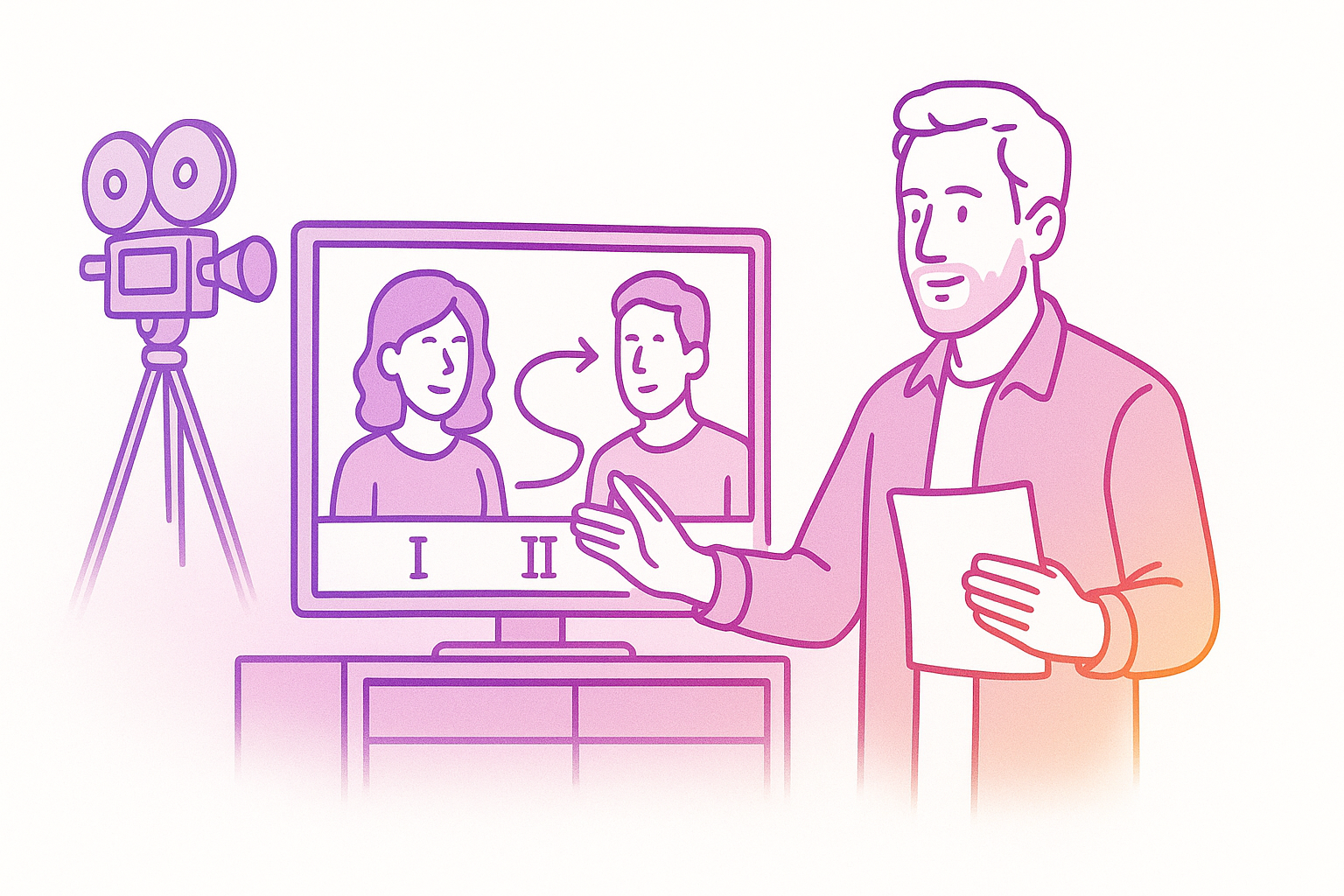
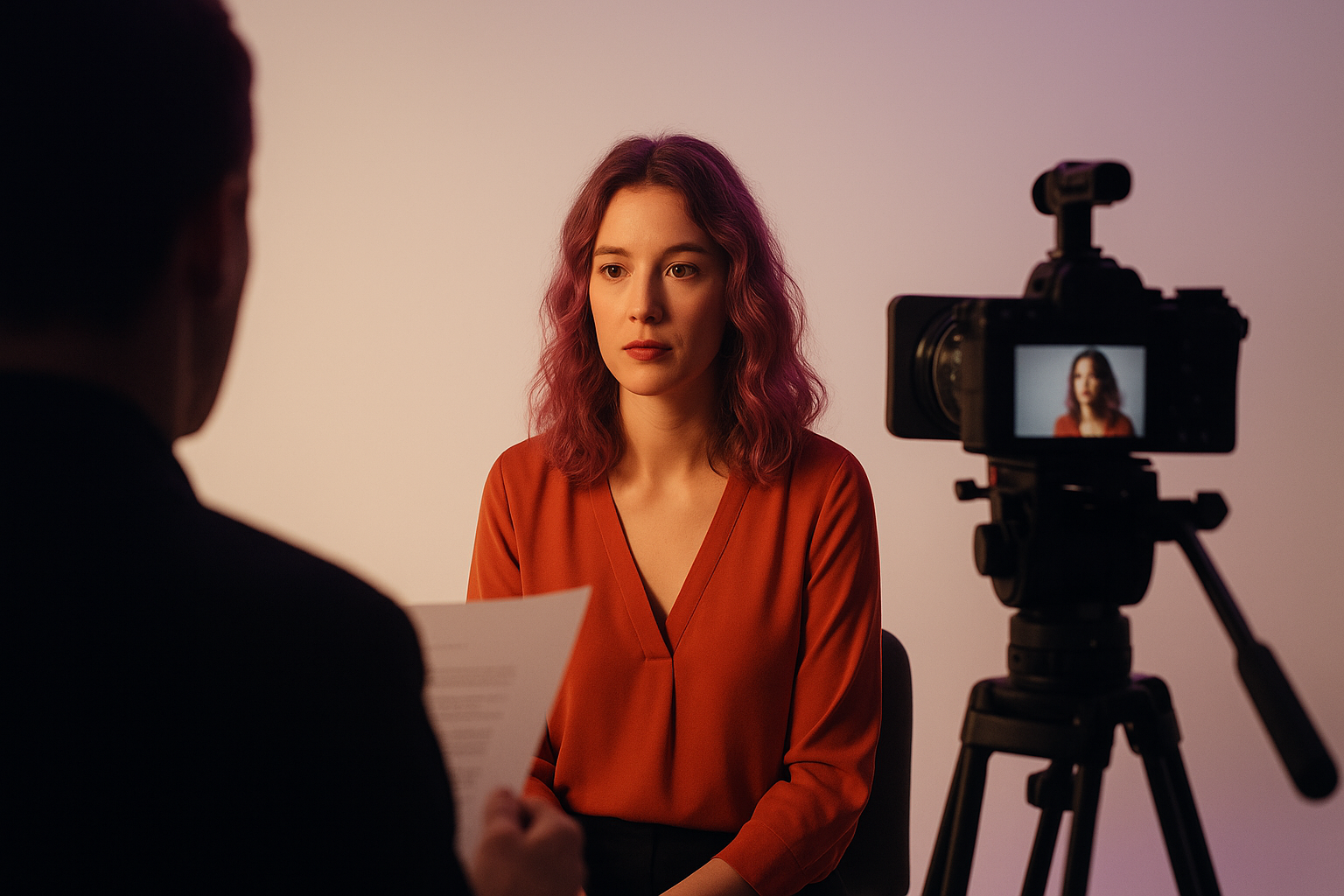
On-screen chemistry is a multiplier. “Friends” thrived because of its perfectly balanced ensemble, while “Justice League” struggled with lacklustre synergy. Producers now routinely conduct chemistry reads and screen tests to ensure cast cohesion. According to WIRED, studios increasingly use data-driven casting to predict ensemble compatibility, leveraging AI to simulate interactions before contracts are signed.
Even in smaller productions, mismatched dynamics can sabotage otherwise strong scripts. The lesson: invest as much in ensemble fit as in lead casting. For more on optimising other production elements, see Location Scouting: Finding the Right Setting for a Film.
Diversity, Representation, and Global Market Reach
Modern audiences scrutinise representation. “Black Panther” proved that authentic, diverse casting can expand a film’s reach—$1.3B worldwide and critical acclaim followed. Conversely, “Gods of Egypt” faced backlash and box office failure for whitewashing. According to McKinsey, films with diverse casts outperform less representative peers by up to 35% in global markets.
OTT platforms and digital streaming further amplify the need for inclusive casting, as audiences from dozens of countries access the same content. For historical and cross-cultural projects, accurate casting is now a commercial imperative, not just an ethical one.
The Rise of AI in Film Casting Decisions
AI is quietly transforming casting. Studios use neural networks to analyse social sentiment, past box office data, and audience demographics to shortlist actors who will resonate. Tools powered by Google DeepMind and Runway are now capable of simulating how different actors might perform in a role, even generating deepfake auditions for visualisation.
This doesn’t replace the director, but it does optimise the shortlist—saving weeks and millions in casting searches. For independent filmmakers, AI tools level the playing field, making global casting affordable and data-driven. For an end-to-end, AI-enhanced approach, see Vidxen’s Movie Production service.
Hand us the brief →
Ready to cast and produce your next feature, short, or documentary? Our AI-powered pipeline delivers cinematic quality, lightning-fast VFX, and perfectly matched talent—at a fraction of traditional studio costs. Brief us in minutes and get a fixed-price quote within 24 hours.
Practical Steps: How Producers Optimise Casting Decisions
The best producers combine intuition, data, and process. Here’s how modern casting works at scale:
| Step | Modern Approach | Tools/Outcomes |
|---|---|---|
| Role Definition | Character profiling, audience mapping | Script breakdown, demographic analysis |
| Shortlisting | Mix of manual scouting & AI filtering | Social sentiment, past box office, AI shortlist |
| Auditions | Self-tapes, remote chemistry reads | Cloud platforms, AI deepfake visualisation |
| Ensemble Testing | Screen tests, AI-driven chemistry checks | Predictive analytics, on-set trial |
| Final Selection | Producer, director, and AI input | Data-backed decisions, creative sign-off |
Studios like Warner Bros. and Netflix are integrating predictive analytics to forecast cast-driven audience engagement, as reported by Variety. The result: faster, more cost-efficient casting with a higher probability of commercial and critical success.
Casting Mistakes: Lessons from Flops and Fixes
What happens when casting goes wrong? “Green Lantern” saw Ryan Reynolds miscast in a role mismatched to his comedic persona, leading to poor reviews and box office disappointment. In contrast, recasting can rescue a project: “Back to the Future” famously replaced Eric Stoltz with Michael J. Fox weeks into shooting, instantly elevating the film’s energy and audience appeal—resulting in $388M in receipts and cult status.
Industry estimates suggest that recasting, while costly (sometimes $10M+ mid-shoot), can be the difference between a write-off and a blockbuster. For more on how continuity and casting choices affect long-form narratives, see The Importance of Continuity in Long-Running TV Serials.
Integrating Casting with Modern Production Pipelines
In the AI era, casting feeds directly into virtual production, VFX, and digital distribution. With tools like OpenAI’s Sora, directors can visualise how different actors will look and move in generated environments before a single scene is shot. This integration streamlines the entire movie production cycle, from storyboarding to post-production.
When casting is planned alongside script, VFX, and marketing, producers avoid costly mismatches and late-stage pivots. For a full-stack approach that unites casting, AI pipelines, and Hollywood-level finishing, explore Vidxen’s Movie Production service.
For related insights on how storytelling complements casting, read The Role of Storytelling in Short-Form Social Media Videos.
FAQ — Film Casting Decisions and Movie Success
Why do film casting decisions matter so much?
Casting shapes the audience’s first connection with a film. The right actor can elevate a script, while the wrong fit undermines credibility and engagement. Studies show that casting decisions impact both box office results and critical reviews more than almost any other production variable, aside from script and direction.
How do studios balance star power and character fit?
Studios weigh the marketing value of star power against the need for authenticity. While A-list actors can boost initial sales, long-term success depends on how naturally an actor embodies the character. Data-backed casting now helps producers make these trade-offs with more confidence and less guesswork.
What role does AI play in modern casting?
AI assists by analysing audience data, social sentiment, and box office trends to generate actor shortlists. It can also simulate chemistry and predict ensemble appeal. This streamlines the process, reduces bias, and enables producers to make faster, more cost-effective casting decisions—especially helpful for independent filmmakers.
Can recasting really save a film?
Yes—if done early enough. High-profile examples like “Back to the Future” show that recasting can dramatically improve a film’s tone and audience reception, even if it means reshooting scenes at high cost. The risk is justified if the original casting clearly isn’t working.
Is diverse casting just a trend or a business imperative?
Diverse casting is now a commercial necessity, not just a social statement. Global audiences and OTT platforms reward films that authentically represent different cultures and communities. Data from McKinsey and others proves that diverse casts yield higher returns in today’s market.
How does casting integrate with VFX and virtual production?
Modern pipelines link casting with VFX and previsualisation tools. Directors can test how actors “fit” in digital environments before filming. This reduces late-stage surprises and ensures that performance, visual effects, and story all align from day one—saving time and budget.
Are there affordable ways for indie filmmakers to optimise casting?
Absolutely. AI-powered casting tools and remote audition platforms have lowered barriers for independent filmmakers. These tools help identify the best talent worldwide, run virtual chemistry reads, and even predict audience response, all at a fraction of traditional casting costs.
Where can I learn more about end-to-end movie production?
For a comprehensive overview of AI-powered production, including casting, VFX, and post, see AI Video Production: The Complete Guide or explore our Movie Production service for detailed case studies and practical workflows.