
In 2015, Mad Max: Fury Road’s desert palette set a new benchmark for blockbuster visual mood—yet the raw footage was flat and grey until a team of colourists worked their magic. Film color grading is the invisible art that transforms bland rushes into iconic cinematic worlds.
TL;DR
- Film color grading is essential for creating a movie’s visual mood and emotional tone—not just “making it look pretty.”
- Colourists use contrast, saturation, and hues to guide audience emotions, reinforce genre, and unify disparate shots.
- AI tools now accelerate grading workflows, offering cinematic looks at a fraction of traditional costs and timelines.
- Blockbusters, indies, and streaming content all rely on grading for visual consistency and storytelling impact.
What Is Film Color Grading? The Invisible Hand Behind Mood
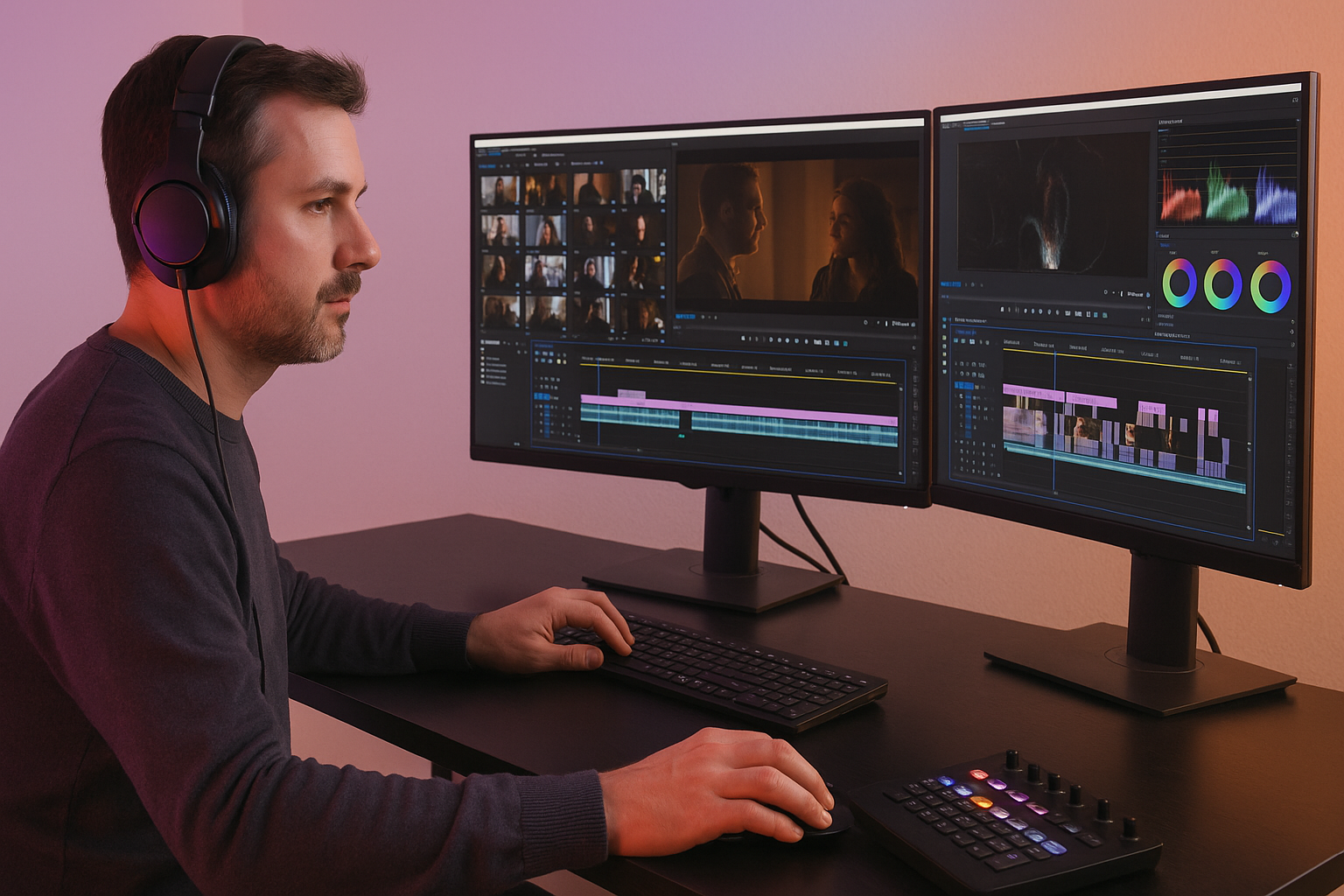
Film color grading is the process of adjusting and enhancing the colour, contrast, and tonality of footage during post-production. It’s not simply about correction—grading sets the film’s entire emotional palette. A horror film’s blue-green shadows, a romance’s golden glow, a documentary’s neutral realism: these aren’t accidents. They’re deliberate choices made by colourists in collaboration with directors and DOPs, often using industry-standard software like DaVinci Resolve or Baselight.
Raw camera footage is intentionally flat and desaturated—this preserves detail and dynamic range, but it looks lifeless. Grading brings the director’s vision to life, as seen in Mad Max: Fury Road’s radical palette or the signature teal-orange look of modern action films. Even Netflix originals depend on strict colour pipelines to ensure consistency across global releases, as detailed by Netflix’s engineering team.
How Colour Choices Shape Genre and Storytelling
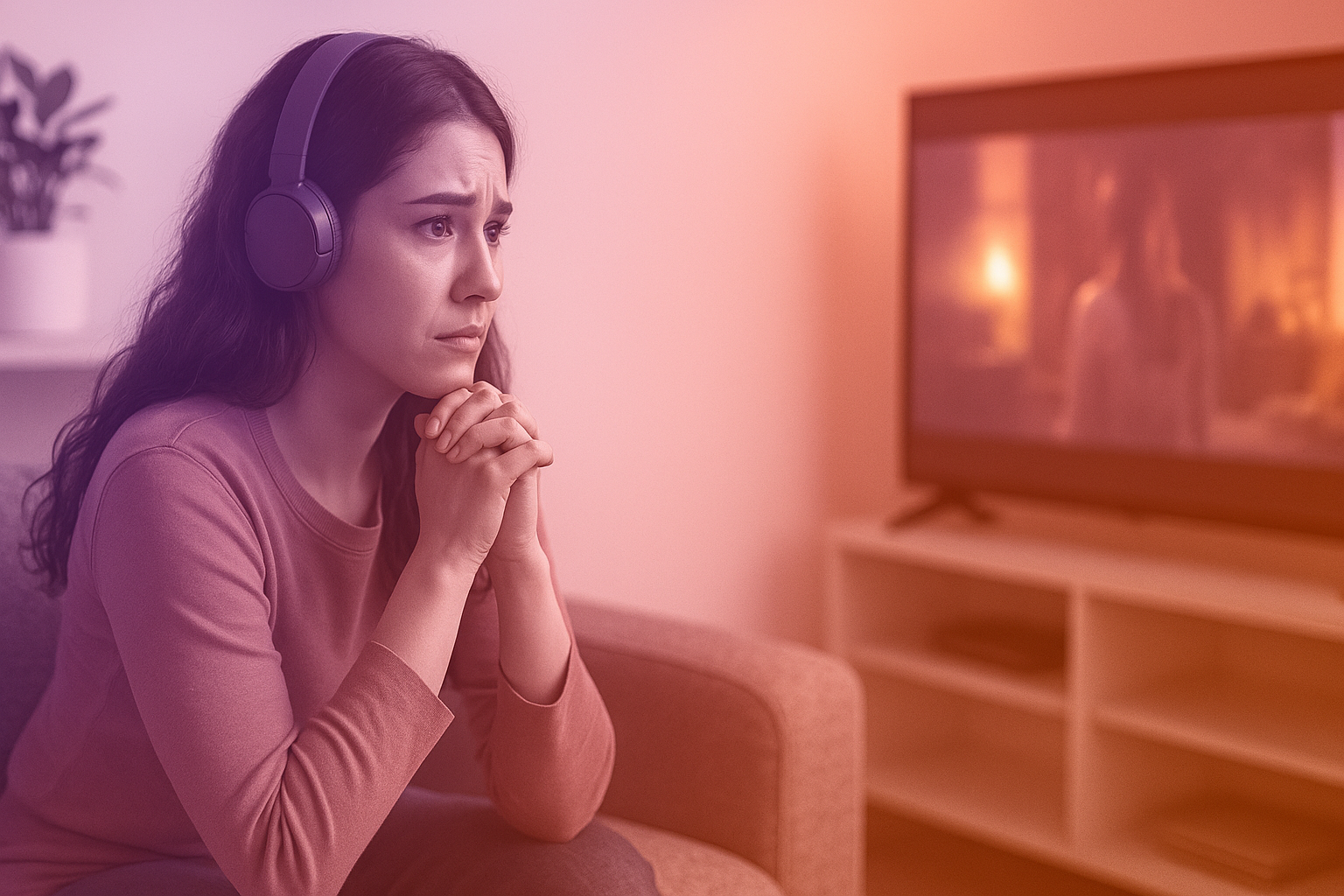
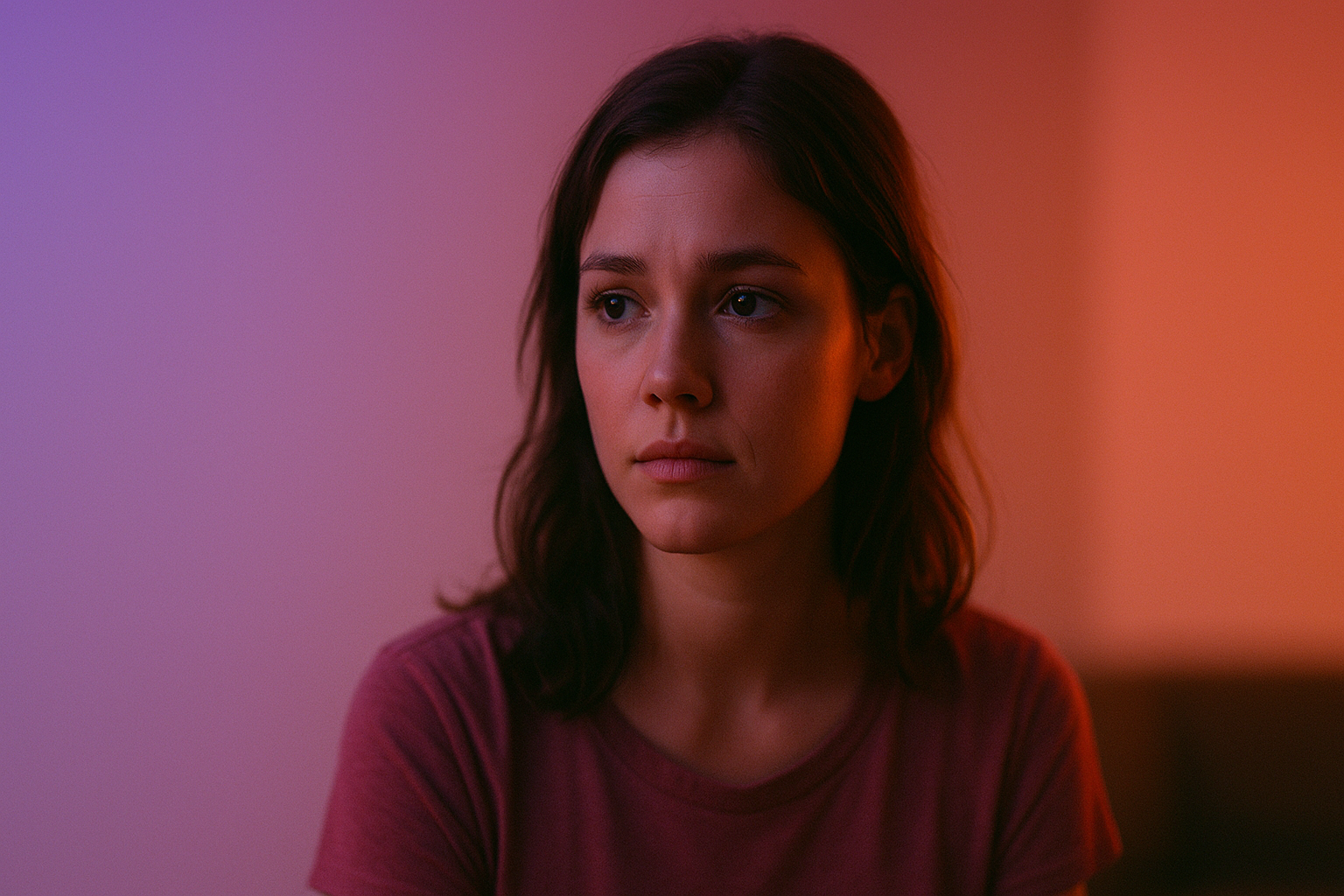
Colour grading isn’t arbitrary; it’s a storytelling device. Warm, saturated tones evoke nostalgia or romance. Cold, desaturated palettes suggest tension or dystopia. Blockbusters like Joker (2019) use greenish casts to communicate unease; Blade Runner 2049’s orange haze signals an alien, polluted world. Genre conventions reinforce these choices—audiences expect horror to be blue and green, period dramas to be soft and pastel.
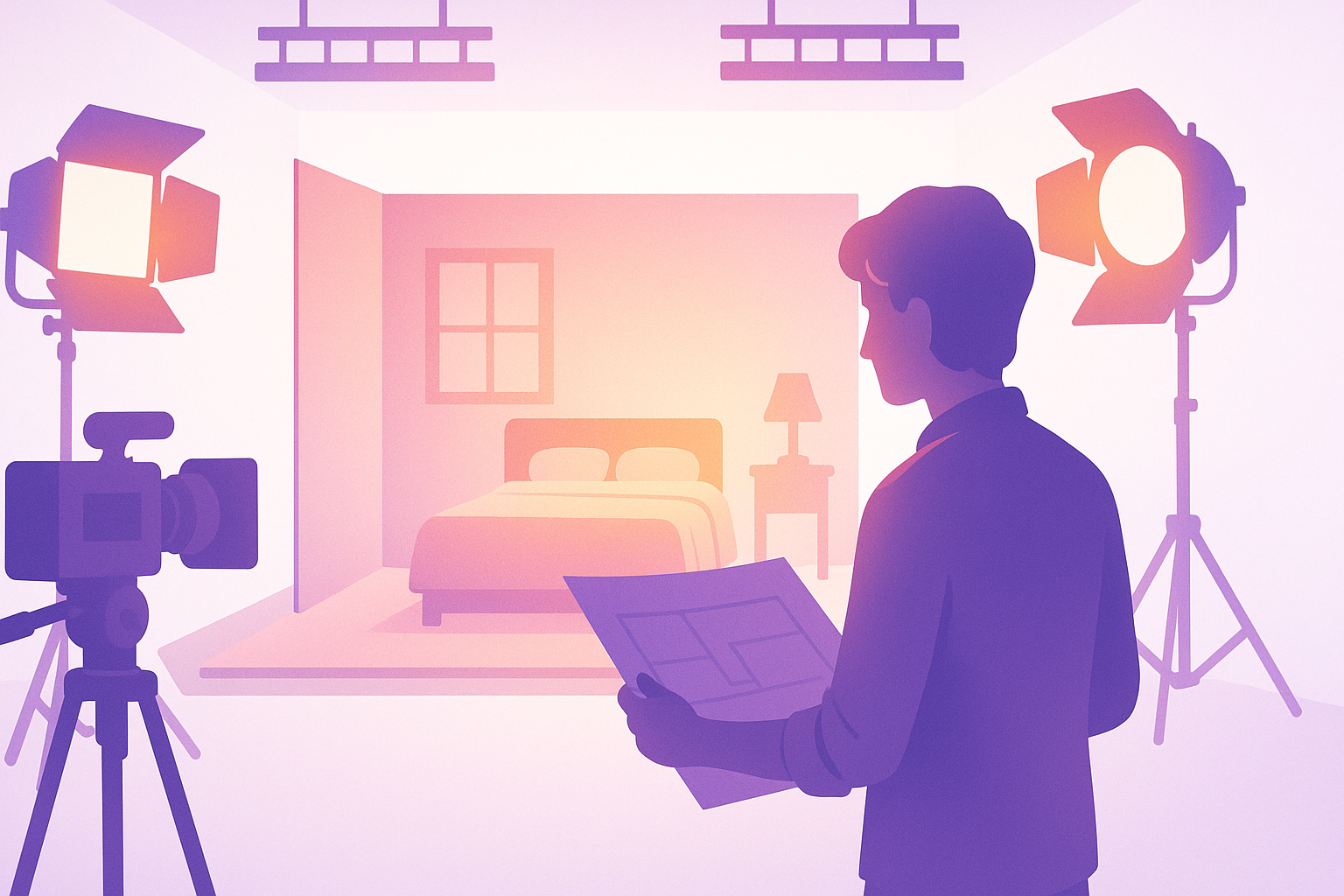
According to WIRED’s report on Hollywood color grading, colourists often sketch “look books” or reference palettes before a single shot is graded, ensuring that visual mood is planned, not improvised. This process unifies everything from costumes to set design, so the final film feels cohesive—even if shot across different locations and months.
Technical Tools: From DaVinci Resolve to AI Grading Pipelines
Traditional grading relies on powerful software and skilled operators. DaVinci Resolve is industry standard for its advanced node-based workflow, while Baselight and Autodesk Flame offer broadcast and film-specific toolkits. These platforms allow granular control over every aspect—shadows, midtones, highlights, individual colour channels, and even skin tones.
AI is now reshaping the post-production pipeline. Tools like Runway’s Gen-2 and Adobe’s Sensei automate shot matching, apply genre-specific LUTs, and even generate “cinematic looks” from a single reference frame. This means indie filmmakers and studios alike can achieve world-class grading in days, not weeks—cutting costs by up to 60% on some productions, as documented by Adobe’s case studies.
Real-World Examples: From Blockbusters to Streaming Series
Consider the difference between the original and graded versions of The Matrix (1999): the iconic green tint wasn’t present in raw dailies. It was crafted in post, becoming shorthand for “inside the Matrix.” On the streaming side, shows like The Crown rely on consistent grading to evoke period authenticity and guide audience emotion—despite being shot over years with different cameras and crews.
Even social-first films and OTT releases leverage grading for brand identity. According to Statista’s 2024 streaming data, over 45% of top-performing streaming titles use custom LUTs and grading presets to differentiate their look—proving that mood matters as much for digital content as for cinema releases.
Cost, Timeline, and Impact: Grading’s ROI in Modern Production
Ten years ago, a feature film’s grading could run ₹15–40 lakh ($18,000–$50,000) and take 2–4 weeks, mostly due to manual shot matching and render times. Today, AI-accelerated workflows can deliver the same cinematic impact for a fraction of the cost—often under ₹7 lakh ($8,500) and within 5–7 days for a 90-minute feature. This is particularly game-changing for indie producers and OTT-first content.
| Production Type | Traditional Grading Cost | AI-Accelerated Cost | Turnaround |
|---|---|---|---|
| Feature Film (90min) | ₹15–40 lakh | ₹5–7 lakh | 2–4 weeks → 5–7 days |
| Short Film (20min) | ₹3–7 lakh | ₹1–2 lakh | 1 week → 2–3 days |
| OTT/Web Series (per ep.) | ₹2–5 lakh | ₹80k–1.5 lakh | 5 days → 2 days |
For producers, this means more budget for VFX, sound design, or marketing—without sacrificing visual quality. See how our movie production service integrates AI grading alongside 4K upscaling and Hollywood-level VFX, delivering end-to-end cinematic results.
Beyond “Looks”: Colour Grading for Consistency and Brand Identity
Colour grading isn’t just about mood—it’s about visual coherence. Multi-location shoots, archival restoration, and generative VFX all introduce inconsistencies. Grading unifies these elements, so that a 1960s flashback, a present-day scene, and a CGI-heavy sequence all feel like parts of the same movie.
Brands and studios increasingly see grading as a signature—think of Wes Anderson’s pastel worlds or Christopher Nolan’s cool, high-contrast palette. AI tools can now “learn” these styles, applying them across entire catalogues or streaming brands for instant recognition. For more on how editing shapes mood, see Film Editing Techniques That Shape Audience Emotions.
Want Your Film to Look Like a Blockbuster?
Our AI-enhanced grading delivers Hollywood-level mood and consistency—at indie-friendly budgets. From script to final master, we handle everything. Talk to a producer about your next project, and see what’s possible.
AI and the Democratization of Cinematic Grading
AI isn’t replacing colourists—it’s making their expertise scalable. Automated shot matching, reference-based grading, and real-time previewing mean that even micro-budget films can access looks that once required a studio pipeline. According to MIT Technology Review’s analysis of AI in film, the technology reduces both bottlenecks and human error, while freeing up artists to focus on creative decisions.
This shift is particularly relevant for OTT and streaming-first content, where turnaround and cost are critical. AI grading also enables rapid A/B testing of different looks—so you can see how a warmer or cooler palette changes audience perception before locking picture. For more on end-to-end AI pipelines, see The Complete Guide to AI Video Production.
Restoration, Upscaling, and the Future of Film Color Grading
Colour grading isn’t just for new films. Restoration projects use AI-powered grading and upscaling to bring archival footage to pristine 4K, correcting decades of colour fade and inconsistency. Neural networks can even “hallucinate” missing colour data, as shown in Google DeepMind’s film restoration research.
For streamers and studios sitting on legacy catalogues, this means a new revenue stream—old films can be re-released with visual quality matching new originals. Vidxen’s own pipeline integrates these techniques for both restoration and new productions. For a breakdown of how colour supports character and brand, see How Makeup and Styling Support TV Characters.
Getting Cinematic Results: What to Ask Your Colourist or Studio
If you’re commissioning a film or series, don’t just ask for “grading”—ask what mood, genre, and platform you’re targeting. Specify references (films, commercials, streaming shows) and discuss deliverables: theatrical DCP, OTT-optimised masters, or social-first exports. Modern studios should offer AI-enhanced options, rapid turnarounds, and fixed-price quotes.
To see how this fits into a complete production workflow—including script, VFX, and post—explore our Movie Production services. For tips on integrating sound and grading for maximum emotional impact, see How Sound Design Changes the Experience of a Movie.
For a deep dive into AI-powered video workflows, see our AI Video Production Complete Guide. Or, if you’re focused on building brand engagement with educational content, check out How Educational Short Videos Can Increase Brand Engagement.
FAQ — Film Color Grading & Visual Mood
What’s the difference between color correction and color grading?
Color correction fixes technical issues—balancing exposure, removing colour casts, and ensuring basic consistency. Color grading is creative: it sets the film’s overall mood, style, and emotional tone. Both are essential, but grading is where a movie’s visual identity is truly shaped.
How much does professional film color grading cost?
Costs vary by project size and workflow. A 90-minute feature might run ₹5–7 lakh with AI-accelerated pipelines, while high-end studio grading can go up to ₹40 lakh. Short films and OTT episodes are much less—₹80k–2 lakh. Always ask for a fixed quote upfront.
Can AI really deliver the same quality as a human colourist?
AI automates technical tasks—shot matching, LUT application, and basic mood setting. Human colourists still make final creative decisions, but AI speeds up the process and ensures consistency. For most projects, the results are indistinguishable from traditional grading—especially when overseen by experienced artists.
Why is colour grading so important for streaming and OTT?
Streaming platforms demand visual consistency across devices and global releases. Grading ensures your film looks cinematic on everything from a phone to a 4K TV. It also helps your content stand out in crowded catalogues, reinforcing brand and mood.
How long does color grading take for a feature film?
Traditional grading takes 2–4 weeks for a feature, but AI-accelerated workflows can deliver in 5–7 days—sometimes even faster for well-prepared projects. Turnaround depends on shot count, complexity, and revision cycles.
Can archival or old films be colour graded and upscaled?
Yes. AI-powered restoration tools can grade, denoise, and upscale archival footage to 4K or better. This corrects faded colours and brings legacy content up to modern streaming standards—unlocking new value from old catalogues.
What should I provide to my colourist or grading studio?
Ideally: high-quality camera rushes (preferably in RAW/LOG format), a reference “look book” or visual examples, and clear notes on genre/mood. Specify final output requirements (DCP, OTT, YouTube, etc.) and discuss timelines upfront for smooth delivery.
Where can I get end-to-end movie production with professional grading?
Services like Vidxen’s Movie Production offer script-to-master pipelines, including Hollywood-level colour grading, 4K upscaling, and AI-enhanced VFX. These solutions are ideal for producers seeking cost-efficient, cinematic results without traditional studio delays.