
When a TV serial’s protagonist has the same scar, eyeliner, or stubble—across 120 episodes shot over 18 months—that’s not luck. It’s the result of precise makeup and styling pipelines, often backed by digital tracking and AI, that keep characters believable and the audience invested.
TL;DR
- Makeup and styling aren’t cosmetic—they’re essential for character continuity and story immersion in TV serials.
- Workflow breakdown: how teams document, track, and reproduce complex looks across episodes and seasons.
- AI and digital tools now automate continuity checks, saving hours per shoot and reducing reshoots by up to 40%.
- Producers can cut costs and boost quality by integrating makeup/styling into the post-production pipeline.
Why TV Character Makeup and Styling Matter
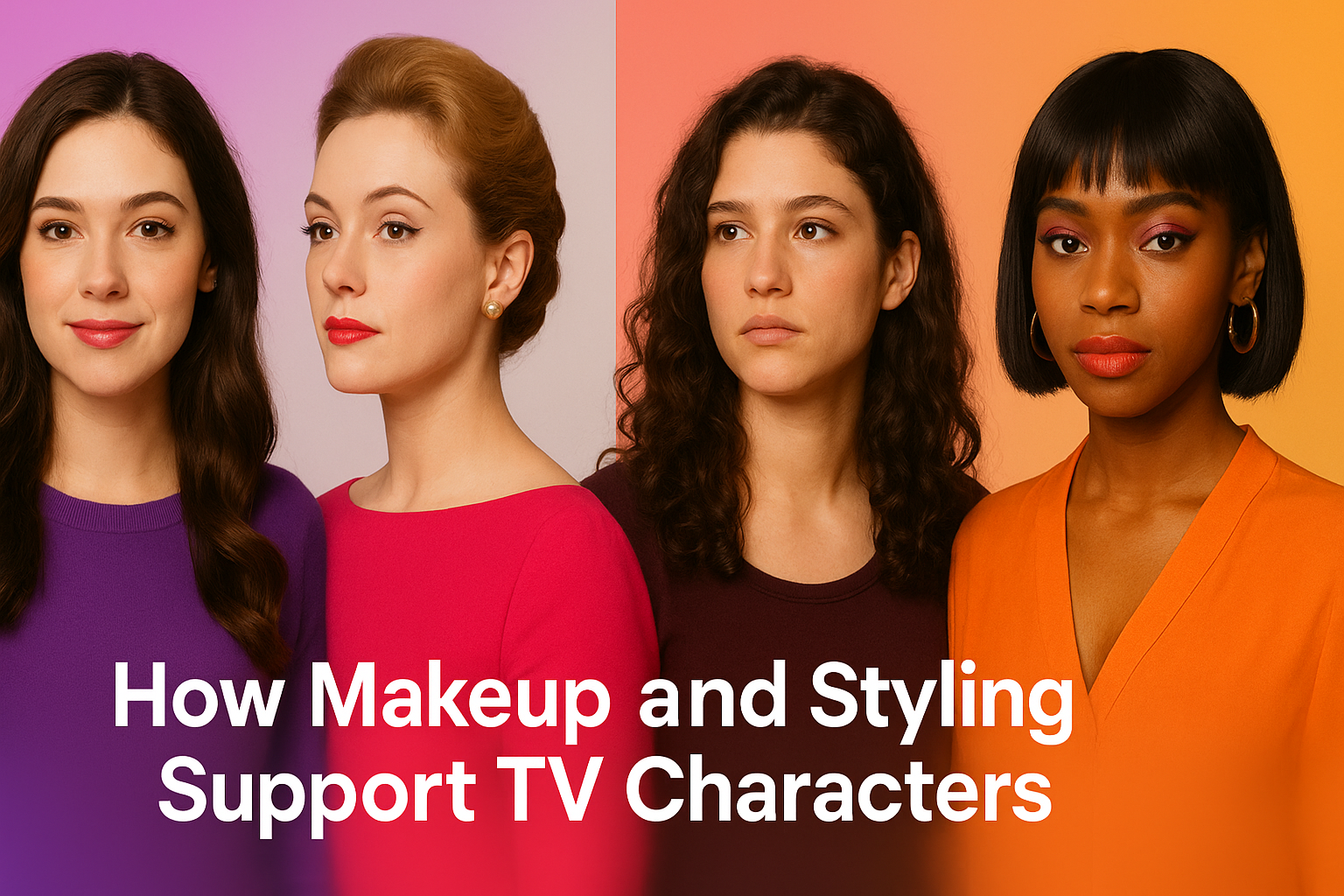
In episodic TV, character believability hinges on details. A single continuity error with a bruise, tattoo, or hair colour can break immersion and trigger social media scrutiny. Unlike film, where scenes are shot in sequence, TV serials shoot out of order—sometimes with five scripts on the floor a day. Makeup and styling teams act as the guardians of visual consistency, ensuring that viewers experience a seamless world, episode after episode.
For more on the broader impacts of production design, see How TV Serial Sets Are Designed for Repeated Shooting.
The Real Workflow: From Lookbooks to AI-Assisted Continuity
Every character’s look is mapped before cameras roll. Stylists and makeup artists create detailed lookbooks—reference sheets with high-resolution photos, shade codes, product lists, and notes on scars, blemishes, or prosthetics. These guides are updated daily to reflect plot changes or actor availability. Increasingly, productions use digital asset management tools and AI-powered apps to match looks automatically, flagging discrepancies before a shot is approved.
| Step | Traditional Workflow | AI-Enhanced Workflow |
|---|---|---|
| Lookbook Creation | Manual photos, paper notes | Cloud-based, searchable archives |
| Continuity Checks | Human eye, reference photos | AI image matching, alerts |
| On-set Adjustments | Reactive, by memory/reference | Real-time AI feedback on monitor |
| Post-production Fixes | Reshoots, costly VFX | Automated digital touch-ups |
AI-driven continuity tools, such as those developed by Runway and Google DeepMind, are now standard on high-volume sets. They can compare current frames to historical looks, reducing manual errors and saving hours per episode.
Building Character Through Makeup: Examples from TV
Consider how a subtle change in lipstick or beard length signals a character’s transformation. In “Breaking Bad,” Walter White’s gradual shift from clean-cut teacher to menacing kingpin is charted through changes in facial hair, skin tone, and eye makeup. Indian serials like “Anupamaa” use sindoor, bangles, and hairstyle to signal marital status and emotional arcs—details that resonate with audiences across hundreds of episodes.
For an in-depth look at how wardrobe and appearance reinforce story, see The Role of Costume Continuity in TV Serial Production.
In fantasy or historical dramas (think “Game of Thrones”), prosthetic wounds, period-accurate hairlines, and even dirt placement must be replicated with precision. A missed detail can spark Reddit threads and meme storms. Hollywood Reporter documented how a misplaced coffee cup in “Game of Thrones” became a global talking point—imagine the impact of inconsistent makeup.
Styling as Storytelling: Hair, Accessories, and the Subconscious
Styling is more than surface. A character’s hair evolution, accessory choices, or even nail polish colour can foreshadow plot twists or reveal internal states. In “Fleabag,” the protagonist’s dishevelled hair and smudged makeup mirror her unraveling psyche. In “Sacred Games,” Sartaj’s beard growth marks the passage of time and his descent into obsession. These choices are deliberate, storyboarded, and logged for every shoot day.
Research from Statista shows that Indian TV audiences notice and discuss character styling changes, impacting engagement and even TRP ratings. Consistency isn’t just a technical concern—it’s a commercial one.
Continuity Nightmares: What Happens When Makeup and Styling Fail
Missed bruises, swapped earrings, or a fading tattoo can force expensive reshoots. In multi-camera, multi-episode shoots, it’s easy for continuity to slip—especially when episodes air daily and actors juggle multiple projects. Industry estimates suggest that up to 15% of post-production costs in Indian serials go to fixing continuity errors, whether via digital retouching or patchwork reshoots.
Tools like Adobe After Effects and OpenAI’s video editing research are now used to correct minor errors, but prevention is always cheaper than post-fix. AI-enabled workflows are reducing these costs by automating continuity tracking and alerting teams before errors hit the edit suite.
Integrating Makeup and Styling into the TV Post-Production Pipeline
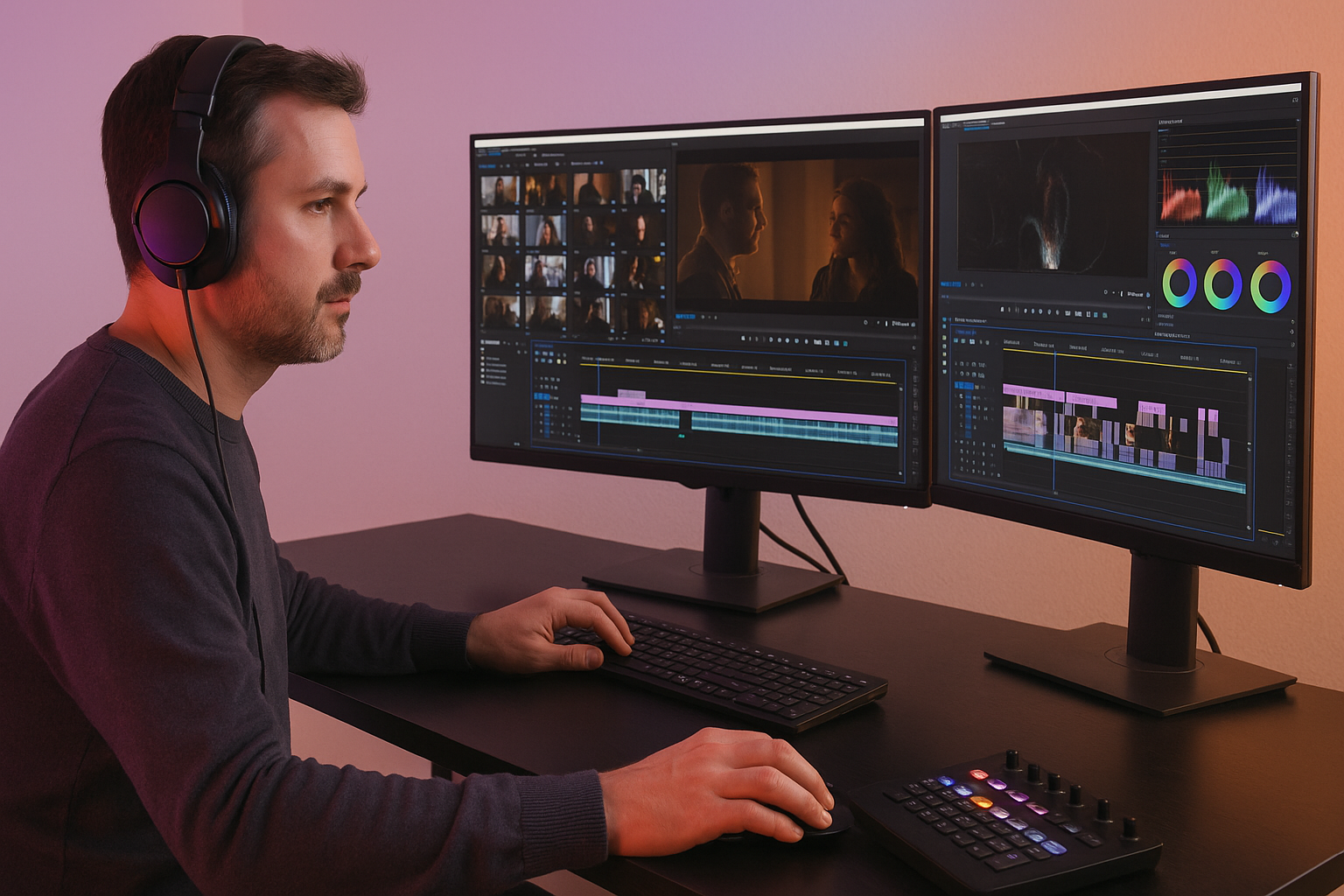
Modern serial production demands that makeup and styling data flow directly into post. Makeup charts, lookbooks, and continuity logs are digitised and linked to each scene’s metadata. Editors, VFX artists, and AI tools reference these records, ensuring digital touch-ups match the intended look. This is especially critical when scaling production or delivering content in multiple languages and formats for global platforms.
For a breakdown on how editing shapes the audience’s emotional response, see Film Editing Techniques That Shape Audience Emotions.
Producers who invest in integrated, AI-assisted pipelines report up to 60% faster turnaround and 35% savings on post-production, according to Gartner’s analysis of AI in media production. This isn’t a future scenario—it’s the new baseline for network-ready, scalable episodic content.
For details on how to scale your own episodic pipeline, see our TV Serials & Series service page.
Brief us your serial or episodic project
Want bulletproof continuity and faster post-production? Vidxen’s AI-powered TV serial pipelines integrate makeup, styling, editing, and VFX for consistent, network-ready results—at speed and scale.
AI, Automation, and the Future of TV Character Styling
The next evolution: AI that not only checks continuity but generates look suggestions based on script, mood, and even real-time audience data. Early prototypes from OpenAI and Google DeepMind are already able to recommend makeup palettes or hairstyle tweaks based on character arcs and genre conventions. This won’t replace creative leads—it will free them to focus on high-impact decisions, not repetitive tasks.
How Producers Can Optimise for Consistency and Speed
1. Digitise everything: Move lookbooks, makeup charts, and continuity logs to cloud-based platforms.
2. Integrate AI: Use automated tools for image matching and error detection.
3. Train teams: Stylists, artists, and editors should all have access to the same visual records.
4. Sync with post: Ensure post-production teams reference live data—no more working from outdated printouts.
5. Review regularly: Audit episodes for visual consistency before they air, not after.
For more on how behind-the-scenes content can humanise your brand and build trust with viewers, read How Behind-the-Scenes Videos Humanize Brands on Social Media.
To see how our AI pipelines automate these workflows for large-scale serials, visit our TV Serials & Series page.
FAQ — TV Character Makeup and Styling
Why is makeup and styling more challenging in TV serials than in films?
TV serials shoot hundreds of episodes, often out of sequence, and with tight daily schedules. Maintaining character consistency over months or years—sometimes with multiple units and changing crews—requires far stricter documentation and workflow discipline than films, which usually have shorter, more controlled shoots.
How do productions track character looks across multiple episodes?
Teams use lookbooks, digital archives, and continuity charts—often stored in cloud platforms. Increasingly, AI tools analyse on-set images, alerting teams to mismatches in makeup, hair, and accessories before scenes are locked. This prevents errors and reduces expensive reshoots.
Can AI actually replace human continuity supervisors?
No. AI automates repetitive checking and flags inconsistencies, but creative decisions—like adjusting a look for emotional impact—still require a human eye. The best results come from hybrid teams using tech to scale their expertise, not eliminate it.
What happens if a continuity error is spotted after shooting?
Minor errors can sometimes be fixed in post-production with digital retouching or VFX, but major mistakes may require costly reshoots. Prevention, via robust tracking and AI tools, is always more efficient than fixing errors after the fact.
How do makeup and styling choices affect audience perception?
Consistent and intentional styling reinforces character identity and emotional arcs. Audiences may not consciously notice every detail, but inconsistencies break immersion and can even become viral talking points, impacting a show’s reputation and ratings.
Is it possible to automate makeup and styling suggestions for new characters?
Early-stage AI tools can suggest looks based on genre, script, and mood boards, but human stylists still make final decisions. As AI models improve, expect more “smart” recommendations that speed up pre-production without removing creative control.
How does this workflow adapt for regional or multilingual serials?
Digital lookbooks and AI-driven continuity tools scale easily across languages and regions. Notes, palettes, and references can be translated and localised, ensuring character consistency even when adapting for different markets or dubbing in post.
Where can I learn more about scalable episodic production?
Explore our detailed guide on AI Video Production: The Complete Guide for a deep dive on workflows, tools, and cost optimisations. For TV-specific solutions, visit our TV Serials & Series service page.