

One mismatched button or the wrong colour sari in a flashback—and your audience spots the error instantly. Costume continuity in TV serials isn’t just a detail; it’s the foundation for believable characters and episodic storytelling, especially when you’re producing 100+ episodes on tight timelines.
TL;DR
- Costume continuity errors break immersion and damage audience trust in serials.
- AI-assisted tracking and digital wardrobe logs now reduce manual errors by 70%+.
- Modern episodic pipelines demand scalable, tech-enabled continuity management.
- Professional costume continuity is a key selling point for OTT, TV, and brand partnerships.
Why Costume Continuity Matters in Serial Storytelling
In TV serials, episodes rarely shoot in sequence. A wedding scene filmed today might reference a party filmed weeks later. Costume continuity ensures characters’ looks match the timeline, mood, and plot—across hundreds of out-of-order scenes. The cost of failure isn’t minor: social media is ruthless with continuity gaffes, and even subtle errors can erode a serial’s credibility with loyal fans. According to Variety’s analysis of streaming hits, continuity mistakes are among the top three audience complaints for multi-episode shows.
For Indian and UK series—where daily or weekly episode drops are the norm—costume continuity is a discipline, not an afterthought. It’s as critical as script or set design to building a believable world, especially for returning viewers who spot even the smallest inconsistency. On high-volume productions, a single error can show up in dozens of recap montages or flashbacks, compounding the damage.
How Costume Continuity Is Managed on Set
Traditional continuity relies on the costume supervisor, armed with digital cameras and printed logs, to document every outfit, accessory, and makeup detail. For a 120-episode Hindi drama, this means tracking hundreds of costume changes, storing exact jewellery sets, and coordinating with makeup and hair teams. Each scene’s continuity is logged with reference photos and notes, often managed in spreadsheets or proprietary wardrobe apps.
But human error creeps in—especially when late script changes or reshoots occur. This is why leading studios are adopting digital wardrobe management systems, where every costume is barcoded and tracked. On international sets, tools like WBPRO’s Wardrobe Management System and Celtx production software have become standard for episodic content. These platforms allow for real-time updates, instant cross-referencing with past episodes, and easy sharing with teams across locations.
AI and Automation: The New Backbone of Continuity
AI-driven tools are reshaping how continuity is enforced. Modern platforms can scan footage, tag costume elements, and flag mismatches automatically—cutting manual errors by up to 70% according to McKinsey’s report on AI in media production. For serials with multi-location shoots and rotating crews, this means a single digital source of truth for every character’s look, synced across departments.
AI also enables predictive alerts: if a script revision introduces a flashback, the system can surface the exact costume references from earlier episodes. In India, several major studios now integrate AI-assisted editing and wardrobe tracking in their episodic pipelines, slashing re-shoot costs and ensuring continuity even at scale. The result? Fewer “spot the difference” memes—and more trust from both platforms and audiences.
Costume Continuity and Brand Value
Serials are more than stories—they’re brand assets. Costume continuity directly impacts merchandise, partner integrations, and even meme culture. When a character’s signature look is consistent, it’s easier to market action figures, apparel, or sponsor tie-ins. Inconsistencies can damage licensing deals or dilute a show’s visual identity. As The Hollywood Reporter notes, costume-driven brand partnerships now account for a significant share of streaming originals’ marketing budgets.
OTT platforms and advertisers increasingly demand “network-ready” quality—where every episode, in every language, maintains strict visual continuity. Professional costume management is often a contractual requirement, especially for shows targeting international syndication or spin-off products.
Common Pitfalls: Where Continuity Breaks Down
Even with robust systems, costume continuity fails when schedules slip, departments don’t communicate, or digital records are incomplete. Typical failure points include:
- Unlogged last-minute costume swaps due to actor preferences
- Accessory mismatches (missing bracelets, wrong shoes)
- Inconsistent hair and makeup with the same outfit
- Flashback scenes using outdated reference images
- Language dubs with costume errors in pick-up shots
These errors aren’t just embarrassing—they can lead to costly reshoots or lost audience trust, as seen in several high-profile streaming blunders covered by The Verge. On a tight serial schedule, prevention is always cheaper than cure.
Scaling Costume Continuity for Multi-Episode Productions
In high-volume serial production, the scale is the real enemy. A single show may involve 20+ recurring characters, dozens of background actors, and hundreds of unique costume combinations per season. When you add multiple directors, split-unit shoots, and parallel editing, manual tracking simply doesn’t scale. Leading Indian and UK studios now use cloud-based wardrobe logs, AI tagging, and barcode inventory to ensure nothing falls through the cracks.
This approach pays off in speed and quality—delivering 60% faster episode turnaround and reducing continuity-related reshoots by up to 40%. For an in-depth look at how AI pipelines are transforming episodic workflows, see our AI Video Production Complete Guide.
For more on how physical environments support continuity, read How TV Serial Sets Are Designed for Repeated Shooting.
Ready for seamless continuity across your entire series?
Vidxen’s AI-powered episodic pipelines guarantee consistent wardrobe and look—no matter your shoot order or episode count. Scale up serial production for TV or OTT with fewer errors, faster delivery, and network-ready quality.
Costume Continuity in Different Genres: Drama, Fantasy, and Comedy
Not all genres pose the same challenges. In contemporary drama, wardrobe is subtle but must match emotional arcs and social context—one misplaced designer label can cause a Twitter storm. Fantasy and period serials require even stricter documentation: a single misplaced prop can break world-building. Comedy serials, meanwhile, often rely on running gags or recurring costumes, amplifying the impact of any slip-up.
For fantasy, the complexity multiplies with VFX and prosthetics. AI-powered continuity logs can cross-reference costumes with digital assets, ensuring everything from elf ears to badges lines up episode-to-episode. For a breakdown of how other production elements influence serial quality, see The Importance of Film Lighting in Professional Cinematography.
Integrating Costume Continuity with Post-Production Workflows
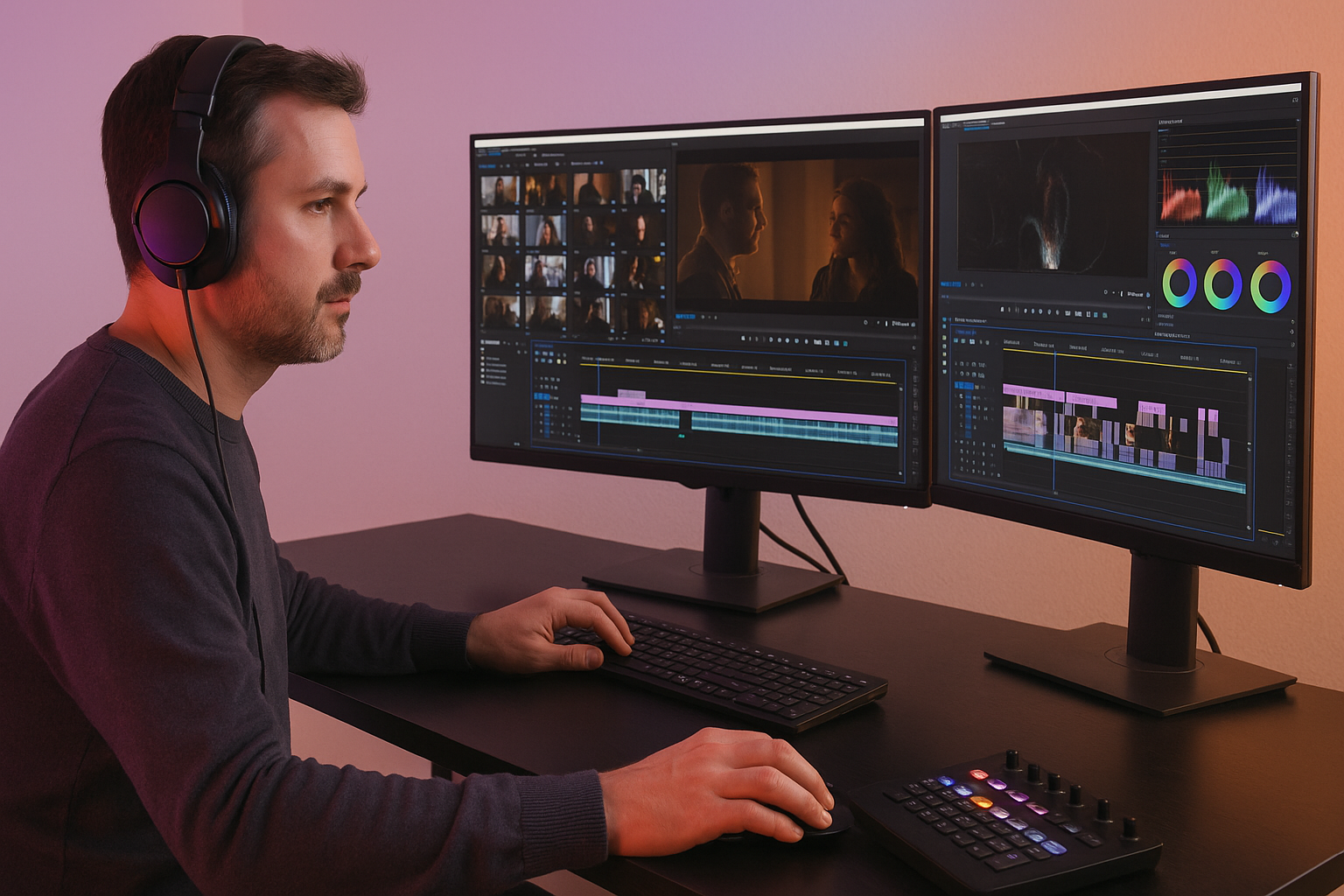
Post-production is the final gatekeeper of continuity. Editors and VFX teams now rely on wardrobe metadata to match shots, avoid reshoots, and digitally correct minor errors. Some AI-driven post systems, like Runway’s video editing platform, already offer continuity-check plugins that flag mismatches in real time—making it possible to fix issues before an episode is locked.
For multi-language serials, continuity must extend through dubbing and pick-up shoots. AI-assisted matching ensures the same wardrobe appears in every dubbed version, maintaining global consistency. This is now an expectation for major platforms, not a nice-to-have.
Explore how Vidxen’s TV Serials & Series service integrates wardrobe, editing, and post-production for broadcast-ready quality.
For insights on how sound design also affects the viewing experience, check out How Sound Design Changes the Experience of a Movie.
FAQ — Costume Continuity in TV Serial Production
Why is costume continuity more challenging in TV serials than in films?
TV serials shoot out of sequence, across many episodes and directors, with frequent script changes. This creates a much higher risk of mismatches compared to films, which typically have shorter timelines and fewer costume changes. Serial production demands scalable, systematic approaches to wardrobe tracking and documentation.
How do AI tools help maintain costume continuity?
AI tools can scan footage, tag costume elements, and automatically flag inconsistencies. They provide predictive alerts when script changes affect wardrobe, and sync digital records across teams. This reduces manual tracking errors and speeds up episode delivery, as detailed in McKinsey’s AI in media production report.
What are the most common costume continuity errors in serials?
Typical mistakes include mismatched accessories, unlogged last-minute swaps, inconsistent hair/makeup with the same outfit, and errors in flashback or dubbed scenes. These slip-ups usually result from incomplete records or poor coordination between departments, especially under tight deadlines.
How does costume continuity impact a serial’s brand value?
Consistent costumes strengthen character identity, merchandise, and brand partnerships. Major OTT platforms and advertisers expect strict continuity, as it affects licensing, marketing, and even meme culture. Inconsistencies can undermine a show’s visual brand and commercial opportunities.
What systems do top studios use to manage wardrobe continuity?
Leading studios use a mix of digital wardrobe management apps, barcoding, cloud-based logs, and AI-driven image tagging. These systems allow for real-time updates, cross-department sharing, and rapid retrieval of past episode references—essential for multi-location, multi-director serials.
How is costume continuity managed in multi-language or dubbed serials?
AI-assisted matching and digital wardrobe logs ensure that the same costumes appear consistently, even in dubbed or pick-up shots. This maintains global continuity and meets the standards set by platforms like Netflix, Hulu, and Amazon, where international syndication is key.
Can minor costume errors be fixed in post-production?
Minor issues (e.g., missing jewellery or colour mismatches) can sometimes be digitally corrected in post using VFX or colour grading. However, major errors usually require reshoots. Early detection through AI-driven editing platforms is the most cost-effective solution.
Why should producers invest in professional continuity management?
Professional continuity management reduces costly reshoots, speeds up delivery, and protects the serial’s reputation. It’s non-negotiable for shows aiming for OTT distribution, international syndication, or strong merchandising. Producers who treat continuity as a core discipline see measurable savings and audience loyalty.