
A single lighting decision can make a ₹20 lakh indie film look like a ₹10 crore blockbuster—or like a home video. In professional cinematography, lighting isn’t a technical afterthought; it’s the lever that controls mood, story, and production value, often more than cameras or VFX.
TL;DR
- Lighting shapes every frame’s mood, depth, and realism—far beyond camera choice.
- Professional film lighting drives perceived production value and audience immersion.
- AI-powered tools now enable blockbuster-grade lighting effects at a fraction of legacy costs.
- Mastering lighting is essential for indie filmmakers competing on OTT and global platforms.
Why Lighting Outranks Every Other Cinematic Tool
Swap out a RED for an Alexa and most viewers won’t notice. But flatten the lighting and even a ₹1 crore camera rig produces amateur results. Lighting is the backbone of film language: it defines texture, skin tone, mood, and even narrative clarity. Legendary DPs like Roger Deakins and Rachel Morrison attribute 70% of a film’s “look” to lighting, not glass or sensor. In a 2023 Hollywood Reporter roundtable, top cinematographers unanimously ranked lighting above all other technical factors.
Lighting is also the most cost-leveraged tool. On a ₹5 crore feature, a 10% increase in lighting budget can yield a 30% boost in perceived production value—more than any spend on new lenses or camera bodies. It’s why even micro-budget directors obsess over available light, motivated sources, and practicals.
How Lighting Directs Audience Emotion and Story
Lighting isn’t just a technical exercise—it’s narrative engineering. Hard, overhead light signals tension or danger (see: “Sicario”). Soft side-lighting evokes intimacy (“Marriage Story”). High-key setups keep things bright and commercial, while low-key ratios create suspense or noir. These aren’t just aesthetic choices; they direct the audience’s emotions scene by scene.
Major streaming hits like “Stranger Things” and “The Crown” use lighting as a primary storytelling device, with entire lighting teams focused on mood continuity. Even in documentaries, the right light can turn a talking head into a cinematic portrait. The New York Times notes how “The Crown’s” lighting strategy is central to its period authenticity and emotional impact.
Classic Lighting Setups Every Cinematographer Must Master
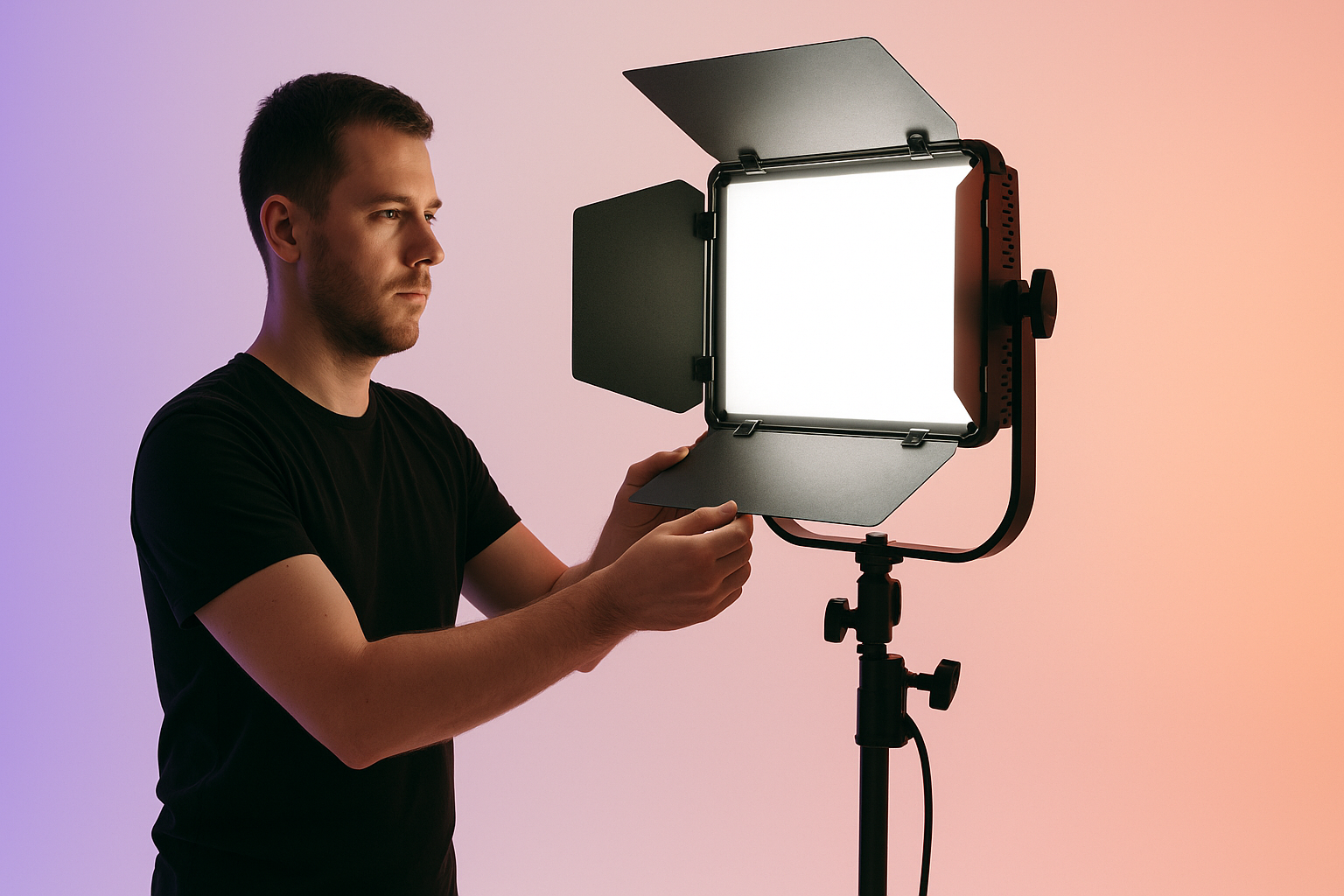
There’s a reason the “three-point lighting” system—key, fill, backlight—remains foundational. But professional sets layer in dozens of modifiers: flags, bounce, gels, practicals, and DMX-controlled RGB fixtures. Here’s a quick table mapping classic setups to their cinematic effect:
| Setup | Effect | Typical Usage |
|---|---|---|
| Three-point | Balanced, natural look | Interviews, dramas |
| High-key | Bright, low-contrast | Comedies, commercials |
| Low-key | Moody, high-contrast | Noir, thrillers |
| Motivated | Source-based realism | Indies, docudrama |
| Practical-heavy | Diegetic light sources | Period pieces, horror |
Mastering these setups isn’t about rote technique; it’s about knowing when—and how—to break the rules for story. The best DPs use lighting not as a formula, but as a language, adapting to script, location, and character.
Lighting as a Cost-Leverage in Modern Productions
On a ₹10 crore Bollywood feature, lighting rentals and crew can run ₹40–60 lakh for a 30-day shoot. But with smart planning and new tech, indie filmmakers are matching that look for 1/5th the cost. LED panels, wireless DMX, and AI-driven pre-visualisation tools (like Runway’s Gen-2) allow DPs to test lighting digitally before ever striking a set. The result: fewer reshoots, faster setups, and fewer expensive surprises on shoot day.
In VFX-heavy workflows, lighting also drives post-production cost. Bad onset lighting means hours rotoscoping or fixing shadows frame-by-frame. Proper lighting enables seamless green-screen and generative background replacement—saving ₹20–30 lakh in cleanup for a mid-budget film. For context, WIRED details how AI is reshaping not just visual effects, but onset lighting strategy itself.
AI and Virtual Lighting: The New Frontier
AI isn’t replacing your lighting director—it’s multiplying their impact. Virtual production platforms like Unreal Engine and NVIDIA Omniverse now let filmmakers pre-visualise and tweak lighting setups in real time, saving days of guesswork. AI denoising and relighting tools (see Adobe Sensei) can fix exposure and shadow issues in post, but the best results still start on set.
For micro-budget creators, AI-powered lighting simulation means you can preview and plan a lookbook without hiring a full G&E crew. On Vidxen projects, we’ve seen clients cut lighting pre-production time by 50%, and reduce costly onset mistakes. This is crucial for OTT-bound content, where turnaround and quality expectations are higher than ever.
For a full breakdown of how AI pipelines are transforming the entire production process from lighting to final cut, see our AI Video Production Complete Guide.
Lighting for Different Genres: What Actually Changes?
Genre dictates lighting as much as script. Horror leans on hard shadows and practicals (think “Hereditary”). Rom-coms favour soft, high-key setups. Historical pieces often use candlelight and motivated sources for authenticity, while sci-fi may employ colour-graded LEDs and interactive lighting synced to VFX.
The most successful genre films—whether “Dune” or “Andhadhun”—tailor their lighting to audience expectation and streaming platform demands. OTT platforms like Netflix and Prime Video often require HDR deliverables, which means onset lighting must be carefully balanced to avoid blown highlights or crushed blacks. For more on prepping content for multiple platforms, see How Brands Can Repurpose One Video Across Multiple Social Platforms.
Lighting for VFX and Generative Backgrounds
VFX and generative backgrounds demand precise lighting to ensure real/virtual elements blend seamlessly. On green-screen days, DPs match light direction, colour temperature, and shadow hardness to the intended digital plate. AI-powered tools like Runway Gen-2 and Google Veo can now simulate how a subject will composite into AI-generated environments, flagging mismatches before cameras roll.
This isn’t just about saving on post. Proper lighting alignment cuts rotoscoping and keying costs by up to 70% in some VFX pipelines. It’s why studios investing in AI-enhanced lighting workflows are seeing multi-million dollar savings on large-scale productions—a trend highlighted in Variety’s coverage of AI in filmmaking.
Explore how AI-enhanced VFX and lighting are integrated into end-to-end production in our Movie Production service.
Ready for Cinematic Lighting—Without the Blockbuster Budget?
Our AI-powered production pipeline lets you achieve Hollywood-level lighting, VFX, and 4K upscaling—at a fraction of legacy studio costs. Whether you’re producing a feature, doc, or OTT original, our team blends creative direction with the latest tech to deliver cinematic results, fast.
Lighting Mistakes That Instantly Tank Production Value
Even a strong script and cast can’t overcome poor lighting. Common mistakes include flat key/fill ratios, mismatched colour temperatures (especially mixing daylight and tungsten), and ignoring practicals. Overexposed highlights or muddy shadows destroy dynamic range, making grading and VFX painful.
On streaming platforms, these mistakes are even more obvious in 4K HDR. As Avid’s technical guide points out, HDR workflows demand precise onset lighting to avoid costly fixes later. For a deeper dive into how continuity and technical execution affect long-form productions, see The Importance of Continuity in Long-Running TV Serials.
Lighting as a Signature: Building a Visual Identity
The best filmmakers use lighting as a calling card. Think of the saturated neons of “Drive,” the golden hour glow of “The Revenant,” or the chiaroscuro of “The Godfather.” These aren’t accidents; they’re deliberate, repeatable choices that build brand and audience loyalty. In the age of social media and OTT, a recognisable lighting style is as important as a signature score.
For filmmakers aiming to stand out, developing a consistent lighting strategy isn’t just “nice to have”—it’s a strategic asset. A distinctive look can command higher budgets, attract better talent, and build long-term audience engagement. For more on the role of visual storytelling elements, see How Casting Decisions Influence a Movie’s Success.
For hands-on filmmakers, our Movie Production service includes lighting design, AI-powered pre-vis, and end-to-end creative management.
FAQ — Film Lighting in Cinematography
Why does lighting matter more than camera choice in film?
Lighting controls the mood, depth, and realism of every frame. While high-end cameras improve resolution, poor lighting makes any footage look flat and amateur. Top cinematographers consistently rate lighting as the most important factor in achieving a cinematic look, regardless of the equipment used.
How is AI changing film lighting workflows?
AI tools enable real-time lighting simulation, virtual pre-visualisation, and post-production relighting. This saves time and budget by reducing onset errors and post fixes. Platforms like NVIDIA Omniverse and Adobe Sensei help filmmakers experiment and iterate faster, making professional lighting more accessible.
What are the typical costs for professional film lighting?
For a 30-day feature shoot, professional lighting can cost ₹40–60 lakh in rentals and crew for a traditional studio setup. AI-enhanced and LED workflows can reduce these costs by up to 50%, especially for indie and OTT-first productions, by cutting down on setup times and unnecessary equipment.
How does lighting affect VFX and post-production costs?
Good lighting on set ensures seamless VFX integration, reducing the need for costly rotoscoping, keying, and digital fixes. AI-powered pre-visualisation tools help match lighting with virtual backgrounds, saving up to 70% in post-production clean-up costs for VFX-heavy projects.
What are common lighting mistakes indie filmmakers make?
Frequent errors include flat or unmotivated lighting, mixing inconsistent colour temperatures, neglecting practicals, and overexposing highlights. These mistakes lower perceived production value and can make post-production much more expensive, especially for HDR streaming deliverables.
Can AI lighting tools replace a human lighting director?
No. AI tools multiply the efficiency and creative options of a human lighting director but can’t replace the creative judgement and on-set decision-making needed for storytelling. The best results come from AI-human collaboration, not automation alone.
How do I future-proof my lighting strategy for OTT and streaming?
Plan for 4K HDR from the outset, use flexible LED and DMX setups, and leverage AI pre-vis tools to spot issues early. Consistent, high-quality lighting ensures your film stands out on any platform—whether cinema, YouTube, or Netflix.
Where can I get end-to-end support for lighting and production?
Vidxen’s Movie Production service offers lighting design, AI-powered pre-visualisation, and full production management. You get cinematic results, faster timelines, and cost efficiency—whether you’re producing a feature, doc, or branded content for OTT platforms.