
Most indie filmmakers still spend 40% of their budget on mistakes made before the first camera rolls—because they misunderstand the real impact of pre-production, production, and post-production stages in filmmaking.
TL;DR
- Pre-production is make-or-break—over 60% of project delays stem from poor planning at this stage.
- Production is where costs spike fastest; streamlined AI tools now cut shoot days and on-set crew needs by 25–40%.
- Post-production eats the most time, but AI-powered workflows deliver Hollywood-level VFX, colour, and audio at a fraction of legacy costs.
- Every filmmaking stage is interdependent—neglecting one inflates costs and risks at the next.
- See real-world numbers, tech, and workflow upgrades below.
Why Filmmaking Production Stages Matter More Than You Think
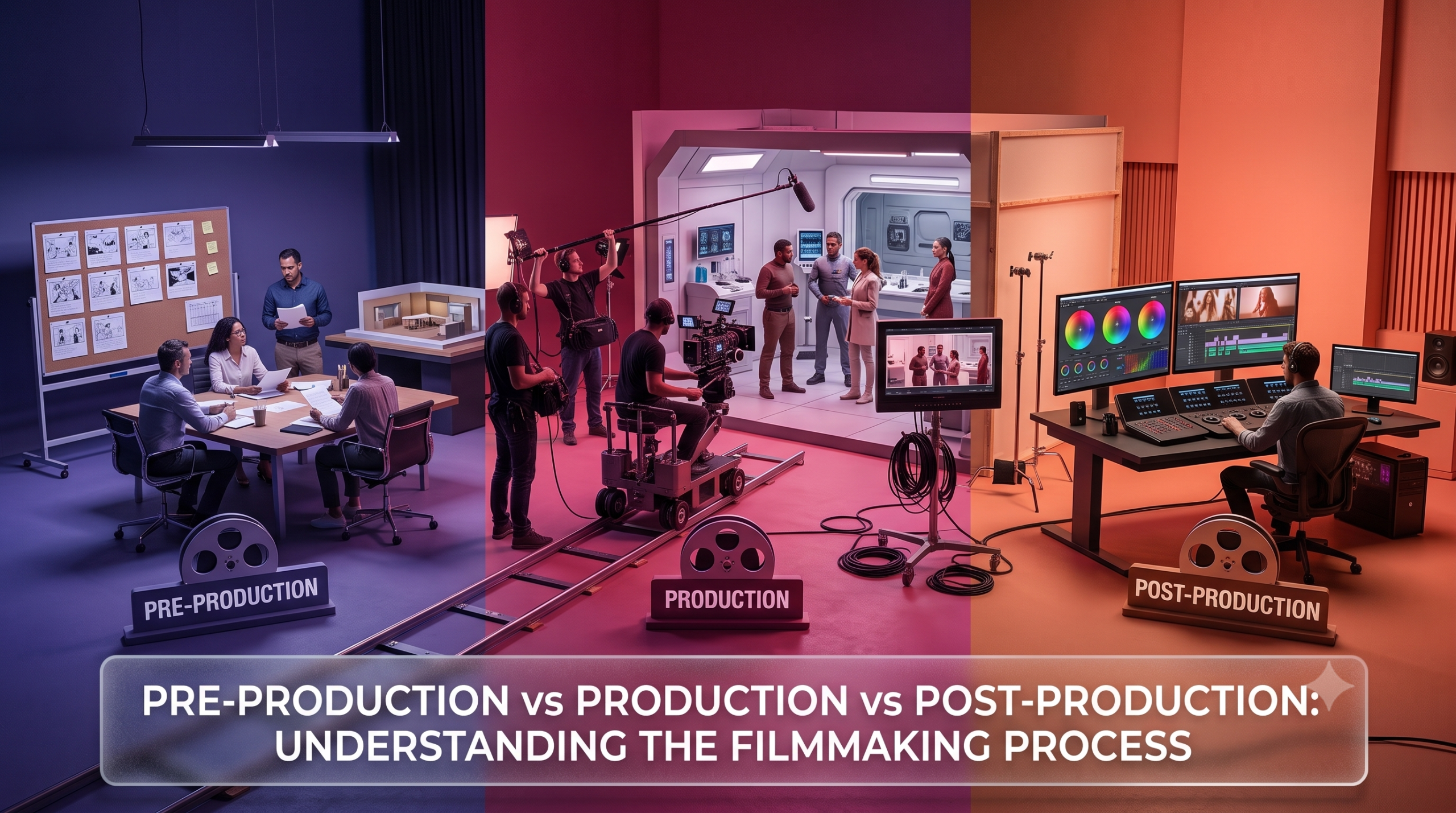
Most budgets and timelines explode because the line between pre-production, production, and post-production is blurred—or misunderstood entirely. Netflix’s originals pipeline is engineered to avoid this: they invest aggressively in script, storyboard, and test shoots, knowing that every rupee spent here saves ten in post. For most independent filmmakers, skipping or rushing early steps leads directly to reshoots, VFX patchwork, and blown delivery dates.
Stage 1: Pre-Production—Blueprints, Budgets, and Avoiding Disaster
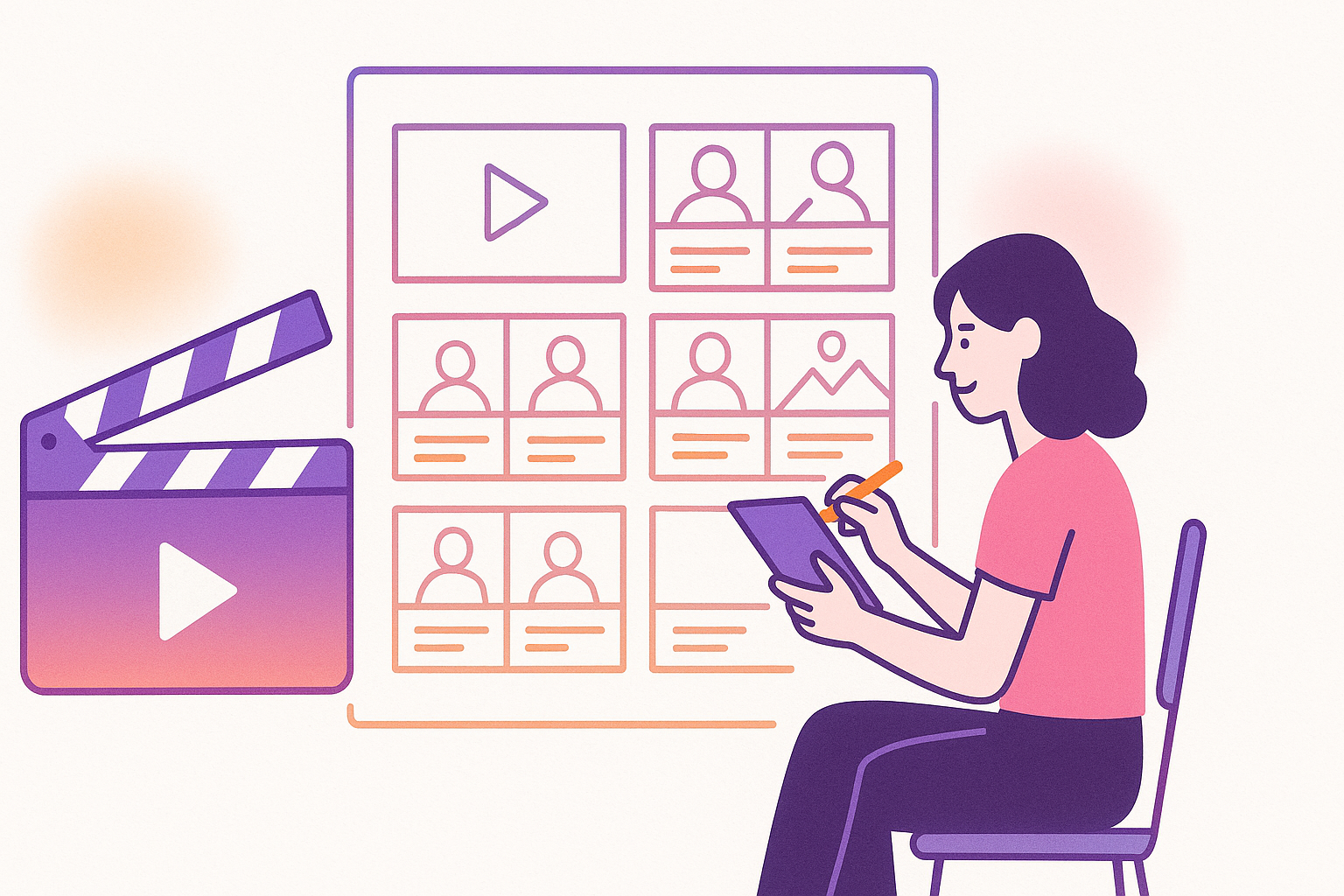
Pre-production isn’t paperwork—it’s where 80% of your project’s fate is sealed. Tasks include script finalisation, storyboarding, casting, location scouting, budgeting, scheduling, and legal clearances. AI tools now generate draft scripts, animatics, and even pre-visualisations in days, not weeks. For example, Runway Gen-3 can output shot references and mood boards from a text prompt, letting directors iterate faster and cheaper than ever.
| Traditional Pre-Production | AI-Enhanced Pre-Production |
|---|---|
| Scriptwriting: 3–8 weeks Storyboarding: ₹1–3 lakh Location Scouting: 2–4 weeks Animatics: ₹50,000+ |
Script drafts: 2–5 days AI storyboards: ₹10–30k Virtual locations: 1–2 days AI animatics: ₹8–12k |
Vast cost differences emerge here. A 10-minute AI-generated animatic may cost ₹10,000 and be ready in 48 hours, compared to ₹50,000 and a fortnight for traditional hand-drawn boards. The best directors obsess over pre-production because it’s the cheapest place to fix mistakes.
For a deep dive into how AI is overhauling early-stage workflows, see our AI Video Production Complete Guide.
Stage 2: Production—Where the Clock (and Costs) Race
Production is the “lights, camera, action” phase, but it’s also where budgets bleed. Crew, cast, gear, sets, and locations cost between ₹1 lakh and ₹10 lakh per day for even modest shoots. Every hour lost to unclear plans or script changes compounds these expenses. According to The Hollywood Reporter, average shoot costs have risen 12% since 2019, largely due to inefficiency and COVID-era overruns.
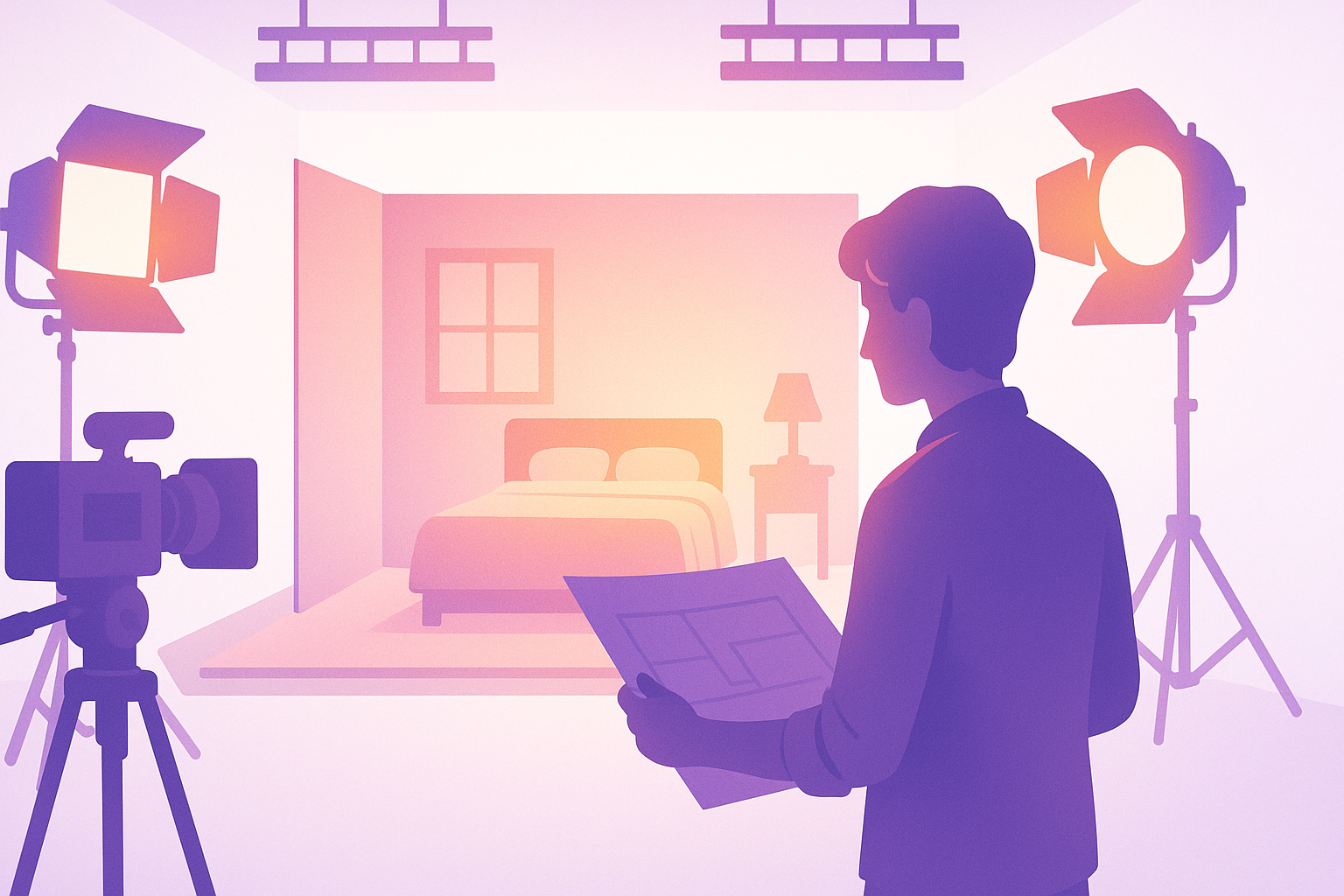
AI tools now automate script breakdowns, call sheets, shot lists, and even real-time lighting simulations. Virtual production—pioneered by Industrial Light & Magic—lets you shoot actors in front of LED walls with generative backgrounds, slicing location costs and post-VFX time. On a ₹20 crore feature, that’s often a ₹2–4 crore saving.
| Workflow | Traditional | AI/Virtual Pipeline |
|---|---|---|
| Shoot Days | 30–60 | 18–35 |
| On-set Crew | 80–200 | 45–120 |
| Location Costs | ₹10–30 lakh | ₹3–8 lakh |
With AI-powered planning, producers cut up to 40% of on-set hours by eliminating “dead time” between setups. That means more scenes in the can, less overtime, and fewer blown budgets.
Stage 3: Post-Production—From Raw Footage to Cinematic Masterpiece
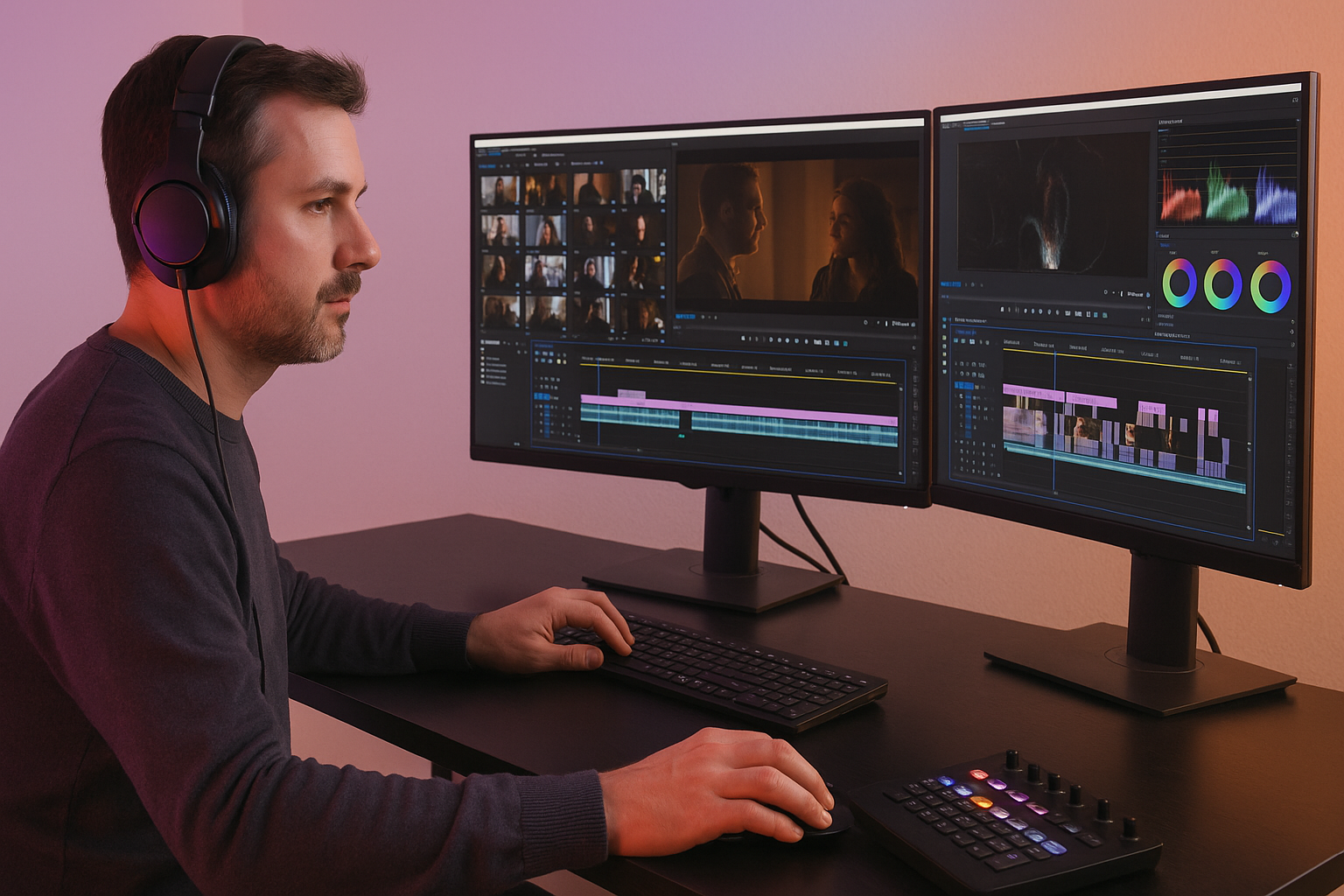
This is where most projects stall. Editing, VFX, colour grading, sound design, and mastering can drag on for months—especially if earlier stages left loose ends. Traditional post houses charge $100–$500 per VFX shot, and a single complex composite can take days. AI changes the equation: tools like Adobe Sensei and ElevenLabs automate rotoscoping, upscaling, audio clean-up, and multi-language dubbing at 1/10th of legacy costs.
Vidxen’s AI pipeline recently upscaled 1950s archival film to pristine 4K and delivered 120+ VFX shots for a feature in 18 days—what used to take 2–3 months. The result: Hollywood-level finish, OTT-ready files, and a client VFX bill slashed by $2.5M.
For more on how AI is transforming post workflows, see How AI Is Revolutionizing TV Serials & Series.
How the Three Stages Interlock (and Where Most Projects Break)
Each filmmaking production stage is a domino: errors in pre-production cascade into expensive fixes in production, and unresolved production issues balloon post costs. Industry data from McKinsey shows that 70% of cost overruns trace back to missed early-stage details. The best producers obsess over handoffs—ensuring scripts are locked, assets are prepped, and the team is aligned before moving forward.
Modern AI pipelines make these handoffs seamless: storyboards feed directly into shot lists; virtual sets flow into post-production composites. But don’t believe the AI hype—human creative direction is still what turns raw assets into compelling cinema. AI is the multiplier, not the replacement.
AI’s Role: Cost, Speed, and Creative Control
AI isn’t just about automating grunt work. It’s about unlocking new creative options—like generating photorealistic backgrounds, instant language dubbing, or reconstructing lost footage. Google DeepMind’s Veo and OpenAI’s Sora now generate entire scenes from text prompts, and while these tools won’t replace your director, they do let you test wild ideas before spending on a full crew.
For independent filmmakers, this means cinematic quality at 1/5th the usual budget, and turnarounds measured in days, not months. The days of $10,000-a-minute VFX are numbered. The real question: are you using every tool available to control your costs and timelines?
Ready for a Smarter Movie Production Pipeline?
Brief us your project and see how AI-enhanced workflows deliver blockbuster visuals, faster timelines, and cost savings you can measure. No guesswork—just cinematic results, end-to-end.
Case Study: Real Numbers from Modern Pipelines
Let’s put numbers to the theory. In 2023, a mid-budget Hindi feature used Vidxen’s AI pipeline for pre-production and post. Result: shoot days cut from 48 to 29, VFX costs down by 70%, and delivery to OTT in 11 weeks (vs 22 weeks using legacy methods). The client’s VFX budget was slashed by $2.5M, and the final product streamed in 4K on major platforms.
| Metric | Traditional | With AI |
|---|---|---|
| Pre-Production Time | 6–8 weeks | 2–3 weeks |
| Shoot Days | 45–60 | 25–35 |
| Post-Production | 12–16 weeks | 4–6 weeks |
| VFX Budget | $3.5M | $1M |
| OTT Delivery | Standard HD | Pristine 4K |
These numbers aren’t hype—they’re the new baseline for smart producers. The lesson: every stage matters, and the right tech stack multiplies your budget’s impact.
For more examples of high-efficiency video production, see Cost Comparison: AI vs Manual TV Series Production.
Key Takeaways for Filmmakers and Studios
- Pre-production is the cheapest stage to fix problems—don’t skimp, and leverage AI tools for storyboarding and planning.
- Production costs compound rapidly; every day saved is ₹1–3 lakh back in your pocket.
- Post-production is where cinematic polish happens. AI VFX, upscaling, and automated dubbing now deliver Hollywood-level results on indie budgets.
- Each stage is a multiplier for the next—weakness in one inflates costs and risk downstream.
- AI is an amplifier, not a replacement for creative direction. Use it to control costs, not as a shortcut for vision.
For an end-to-end, AI-enhanced movie production experience, explore our Movie Production service—designed for creators who want cinematic results without legacy studio bloat.
If you’re interested in the storytelling side of marketing films, read How Brand Storytelling Makes Marketing Videos More Memorable.
FAQ — Filmmaking Production Stages Explained
What exactly happens during pre-production?
Pre-production covers all planning before cameras roll: scriptwriting, storyboarding, budgeting, casting, scouting, scheduling, and legal paperwork. With AI tools, script drafts, animatics, and virtual location scouting are now completed in days, not weeks. This stage is the cheapest time to fix creative or logistical problems.
How does AI change the production phase?
AI automates call sheets, shot lists, lighting plans, and even generates virtual sets. This reduces shoot days and crew size, saving 25–40% on direct costs. Virtual production (like LED wall backdrops) also slashes location expenses and enables real-time creative adjustments on set.
Is post-production still the most time-consuming stage?
Traditionally, yes—editing, VFX, colour, and sound design can take months. AI-powered workflows now automate rotoscoping, upscaling, and even audio mixing, reducing post timelines by 2–4×. Final mastering, revisions, and quality checks are still crucial, but the overall cycle is much faster.
Can I really achieve Hollywood-level quality on an indie budget?
Yes, if you use AI-enhanced pipelines. Generative VFX, automated colour grading, and neural upscaling let indie films hit 4K OTT standards for a fraction of legacy costs. The key is combining these tools with solid creative direction and a disciplined workflow across all stages.
Where do most film projects go over budget?
Most overruns come from poor pre-production: unclear scripts, missed logistics, or underestimating post needs. Each mistake multiplies downstream—reshoots, extra VFX, and longer edits all pile on costs. Meticulous early planning and clear handoffs between stages prevent this.
Do AI tools replace the need for human directors or editors?
No. AI is an accelerator and amplifier, but creative decisions, narrative structure, and final quality still depend on experienced directors and editors. The smartest pipelines pair AI automation with human oversight to ensure the film’s vision stays intact.
How do I choose the right AI tools for my film?
Start by mapping your pain points—slow storyboarding, expensive VFX, or dubbing needs. Then look for AI solutions proven in those areas (e.g., Runway for VFX, ElevenLabs for dubbing, Adobe Sensei for editing). Test on a pilot scene before scaling up to the full production.
Where can I get end-to-end AI-powered movie production?
Services like Vidxen’s Movie Production offer complete AI-enhanced workflows—from script and storyboard to final master, including VFX, upscaling, and OTT-ready delivery. This lets you focus on creative vision while controlling costs and timelines.