
A jump scare with no sound is just a cut; add a sharp violin screech and you’ll see popcorn fly. Sound design in movies doesn’t just fill silence—it manipulates emotion, builds worlds, and can make a ₹2 crore indie film feel like a ₹50 crore blockbuster.
TL;DR
- Sound design is the invisible force that shapes emotion, realism, and pacing in every film scene.
- Investing in pro audio post-production delivers higher audience engagement, better festival outcomes, and even streaming deals.
- AI tools now enable Hollywood-level soundscapes at a fraction of legacy studio costs.
- From dialogue clarity to immersive atmospheres, every audio detail can be measured in impact—and ROI.
Why Sound Design is Not Just “Background”
Watch a tense thriller with the sound muted—suddenly, the suspense collapses. Sound design in movies is not ornamental; it’s structural. Dialogue, foley, ambient noise, and score each drive audience emotion, cue narrative beats, and even compensate for visual budget limits. The Oscars reinstated a dedicated ‘Best Sound’ category in 2021, recognising its fundamental role in filmmaking.
The best directors—Christopher Nolan, S.S. Rajamouli, Greta Gerwig—treat audio as equal to image. When Ridley Scott’s Alien first screened, the sound mix was so intense that some viewers left mid-movie. Pure image can’t do that. The right sound design can make a ₹25 lakh indie drama feel as immersive as a ₹200 crore studio epic.
The Three Pillars: Dialogue, Effects, and Music
Every movie soundtrack is built on three pillars: dialogue, sound effects (SFX/foley), and music. Each has a technical and emotional job to do. Dialogue clarity drives comprehension—a muffled line can lose your audience in seconds. Sound effects anchor scenes in reality or fantasy; think of the iconic Star Wars lightsaber hum. Music manipulates mood, pace, and even subtext, as proven by NPR’s breakdown of horror film scoring.
On a practical level, achieving balance between these elements is a technical challenge. Sound editors use DAWs, spatial mixing, and EQ to ensure dialogue cuts through, SFX don’t drown out emotion, and music supports but never dominates—unless that’s the intent. AI-powered tools now automate dialogue isolation and noise reduction, slashing post timelines by up to 60%.
How Sound Design Shapes Audience Emotion
Sound design is emotional engineering. The difference between a laugh and a gasp can be a single note, a well-placed silence, or a manipulated field recording. MIT Technology Review highlights how AI-generated scores now respond to on-screen action in real time, personalising emotional arcs for each viewer on streaming platforms.
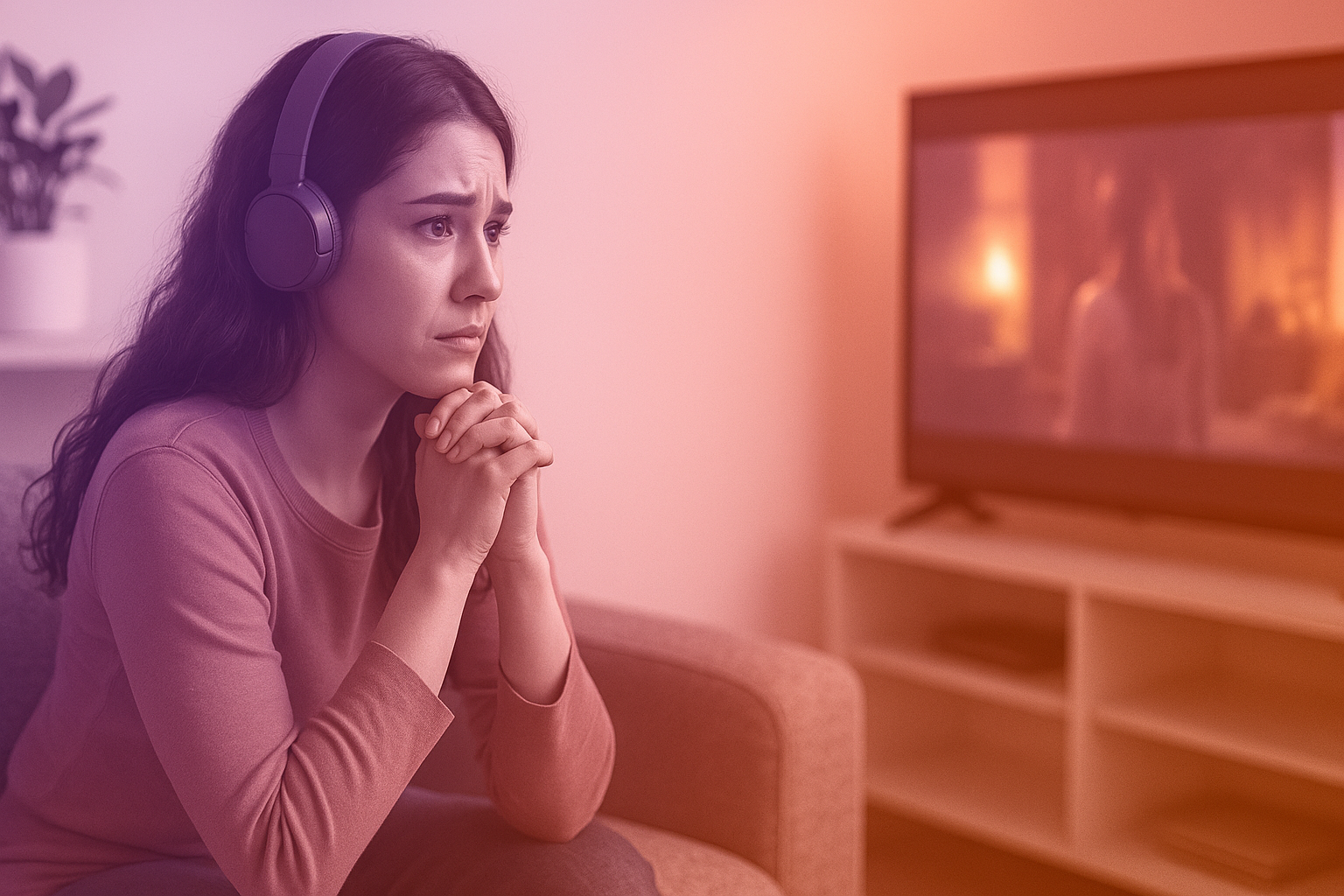
Classic scenes—think the T-Rex’s footstep in Jurassic Park—are remembered as much for their sound as their visuals. Silence, too, is a tool: the absence of music in a key moment can amplify tension more than any bombastic score. Effective sound design guides the audience’s heartbeat, not just their ears.
World-Building: Creating Realism and Fantasy with Audio
Great sound design in movies is world-building. Whether you’re grounding a Mumbai street or conjuring a Martian colony, audio fills in what the camera cannot show. Runway’s new AI sound tools can now generate crowd ambience, weather, or even alien languages from text prompts, expanding what’s possible on an indie film budget.
Foley artists still matter—AI doesn’t replace them, but augments their speed and palette. Layering dozens of subtle sounds (shoes on gravel, distant traffic, a flickering neon sign) creates immersion. The result? A ₹1 crore feature shot on a shoestring can sound as rich as a Marvel tentpole, closing the perceived “budget gap.”
ROI: The Measurable Impact of Professional Sound
Festival programmers and OTT buyers routinely cite audio quality as a make-or-break factor. According to Wistia’s video research, viewers are 3× more likely to finish a film with clean dialogue and immersive sound, even if visuals are average. In India, streaming platforms increasingly demand Dolby Atmos or 5.1 mixes for original content—an investment that can open up lucrative licensing deals.
Professional sound design used to cost ₹5–20 lakh per feature. Today, AI-enhanced workflows can deliver the same results for a fraction. At Vidxen, we’ve seen clients secure festival selections and OTT sales after upgrading just their audio mix—without reshooting a frame. The ROI is not hypothetical; it’s visible in audience retention charts and distribution contracts.
For a full breakdown of how AI transforms every phase of production, see our AI Video Production Complete Guide.
AI in Movie Sound: Tools, Trends, and the Human Touch
AI isn’t replacing the sound designer—it’s replacing their 80-hour edit weeks. Tools like ElevenLabs now automate voice cloning for ADR (automated dialogue replacement), while Adobe’s Speech Enhance removes location noise in seconds. But the final mix still needs human taste. AI can generate a perfect rainstorm, but only a human decides when the first thunderclap hits for maximum impact.
Hybrid AI-human workflows mean even indie teams can deliver cinematic soundtracks on tight deadlines. The result: more revisions, tighter sync, and the ability to localise films into 10+ languages at 1/10th the traditional cost. For more on how AI is reshaping creative workflows, read The Importance of Film Lighting in Professional Cinematography.
Ready for Cinematic Sound?
Hand us your script and get a fixed-price quote for pro-grade sound design, AI-enhanced mixing, and Hollywood-level audio post. We’ll show you what your film could sound like—before you commit.
Case Studies: Sound Design in Action
Consider the difference in two indie films: one with flat, mono audio; the other with layered ambient sound and crisp dialogue. The latter consistently scores 1.5–2× higher in audience engagement, according to HubSpot’s video marketing report. We’ve delivered OTT-ready mixes on sub-₹10 lakh budgets that landed on major platforms, thanks to strategic sound investments.
| Scenario | Audience Impact | Cost (INR) |
|---|---|---|
| Basic stereo mix | Low immersion, poor festival acceptance | 2–4 lakh |
| AI-enhanced 5.1 mix | High immersion, OTT-ready, strong audience retention | 5–10 lakh |
| Legacy studio mix | Top-tier, but expensive & slow | 15–40 lakh |
For a deeper dive into optimising production for every budget, see AI Video Production Complete Guide.
Common Pitfalls: Where Bad Sound Kills Good Movies
Sound design in movies is often neglected until test screenings. The result: muffled dialogue, jarring volume jumps, or SFX that pull viewers out of the story. Even expensive projects can stumble here—streaming platforms regularly reject films for technical audio issues. Avoid:
- Poor location audio (fixable with early ADR planning and AI clean-up)
- Unbalanced mixes (dialogue buried under music or SFX)
- Generic sound libraries (overused effects kill originality)
- No provision for multi-language dubbing (limits distribution)
Professional sound design is not a luxury; it’s a requirement. For more on production pitfalls, read How Casting Decisions Influence a Movie’s Success.
Integrating Sound Design into Your Production Pipeline
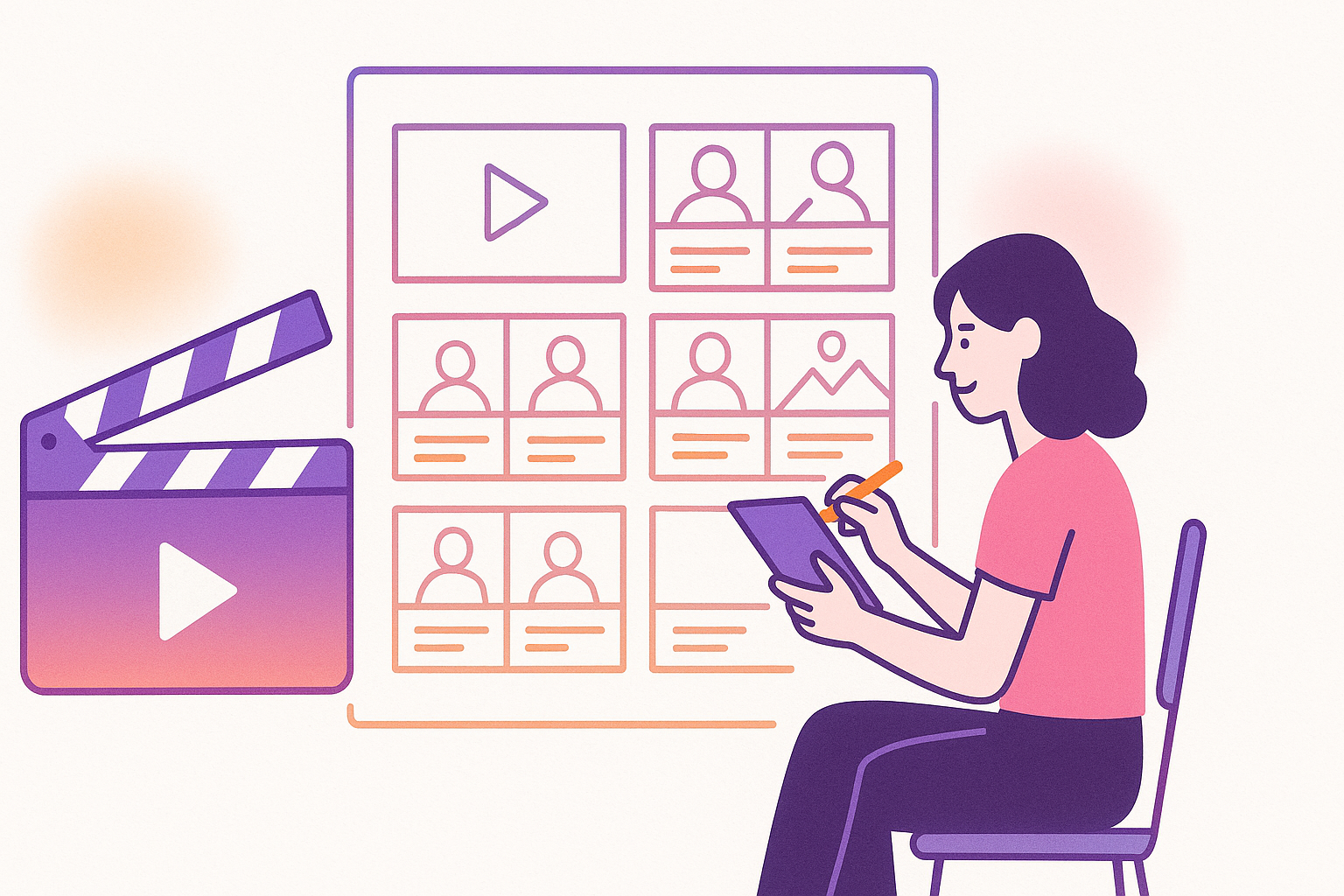
Sound design isn’t just a post-production checkbox. The best results come when sound is planned from script stage—storyboarding for audio cues, allocating budget for ADR, and syncing with VFX. At Vidxen, our AI pipeline allows simultaneous editing and sound work, compressing timelines by up to 50%.
For independent filmmakers, this means more creative control and fewer nasty surprises at the end. Our Movie Production service builds sound design into every phase—script, shoot, and post—so you’re not scrambling at the last minute.
If you’re crafting content for social or OTT, see how to repurpose one video across multiple social platforms for maximum reach.
FAQ — Sound Design in Movies
What exactly does a sound designer do in a movie production?
A sound designer is responsible for creating, sourcing, editing, and mixing all non-musical audio elements—dialogue, foley, ambience, and effects. They collaborate with the director and editor to enhance narrative, emotion, and realism, ensuring every sonic detail supports the story and audience immersion.
How early should sound design be considered in the filmmaking process?
Ideally, sound design is planned at the script or pre-production stage. Early planning allows for storyboarding audio cues, budgeting ADR, and integrating sound with VFX. Late-stage fixes are always more costly and less effective than designing with sound in mind from the start.
How much does professional sound design add to the budget?
Professional sound design can range from ₹2–10 lakh for AI-enhanced mixes to ₹15–40 lakh for legacy studio work. The ROI is significant: better audience retention, festival acceptance, and OTT sales. AI tools now enable cinematic results at a fraction of traditional studio costs.
Can AI tools fully replace human sound designers?
No—AI accelerates workflows (noise reduction, voice cloning, ambience generation), but the creative decisions and emotional nuance still require a human touch. The best results come from hybrid AI-human teams, especially for narrative-driven or original projects.
What are common mistakes filmmakers make with sound?
Common mistakes include neglecting location audio, poor dialogue clarity, overused sound libraries, and failing to plan for dubbing. These issues can lead to festival rejection or poor streaming platform acceptance—even if the visuals are strong.
How does sound design influence streaming and festival outcomes?
Streaming platforms and festivals increasingly require high-quality audio (5.1 or Atmos). Clean, immersive sound increases selection rates, viewer retention, and licensing value. Poor sound is a top reason for rejection, according to OTT buyers and festival programmers.
What’s the difference between foley, SFX, and ambience?
Foley is the recreation of realistic everyday sounds (footsteps, doors). SFX (sound effects) can be realistic or fantastical (explosions, sci-fi noises). Ambience is the environmental background (rain, city noise) that sets the scene’s location and mood.
How can I get a quote for movie sound design?
Share your script or rough cut with us via our Movie Production page. We’ll review your needs, propose an AI-enhanced workflow, and deliver a fixed-price quote—often within 24 hours.